When it comes to fashion, one staple item stands out: the t-shirt. But what makes a good quality t-shirt? Several key factors influence its appeal. According to the Cotton Incorporated Lifestyle Monitor Survey, nearly 80% of consumers prioritize fabric quality when buying t-shirts. Softness, durability, and breathability often determine customer satisfaction and repeat purchases.
Material types play a crucial role in quality. Cotton remains the most preferred fabric due to its comfort and moisture-wicking properties. However, the blend with polyester can improve strength and wrinkle resistance. A report from Statista reveals that the global market for t-shirts is expected to surpass $200 billion by 2026. This emphasizes the need for consumers to choose wisely.
Additionally, construction methods impact overall quality. Well-made seams and appropriate stitching techniques enhance durability. Yet, many consumers overlook these details. A t-shirt might look good but fail to hold up after several washes. Quality should not be compromised for a lower price. Understanding what makes a good quality t-shirt can lead to smarter, more satisfying purchases in a crowded market.
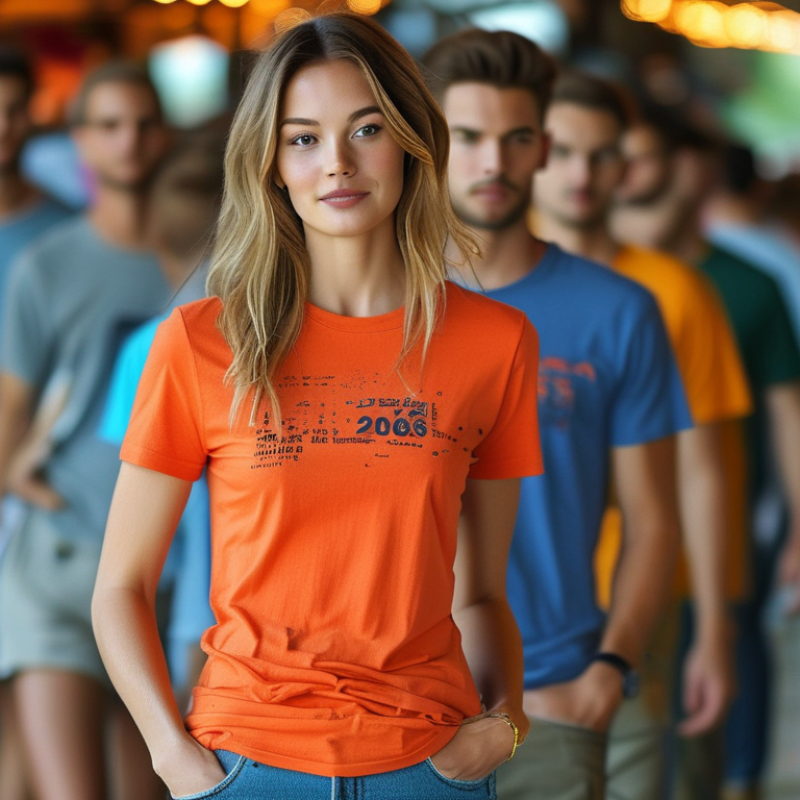
When choosing a quality t-shirt, understanding fabric types is crucial. Cotton is a popular choice for its softness and breathability. According to the Textile Exchange, organic cotton production grew by 31% from 2019 to 2020. This surge indicates a consumer preference for sustainable options, which can provide comfort and reduce environmental impact. However, cotton can shrink and wrinkle, which may be a concern.
Blended fabrics, combining cotton and synthetic materials, offer better durability and wrinkle resistance. For example, a 60/40 cotton-polyester blend provides a nice balance between comfort and performance. The performance materials sector is gaining traction too. Fabrics like moisture-wicking polyester help in athletic applications. These materials can keep you dry during intense activities. A study by the American Association of Textile Chemists and Colorists highlighted that moisture-wicking fabrics are 30% more efficient than traditional fabrics in sweat absorption.
Tip: Always check the fabric weight. Heavier fabrics often denote better quality. Additionally, assess the stitching—double-stitched seams suggest durability. Don't shy away from asking about manufacturing practices. Knowing the source can lend credibility to your choice. Keeping these points in mind can lead you to a t-shirt that balances comfort, durability, and performance.
When evaluating the fit of a T-shirt, understanding your body type is crucial. Different shapes require different considerations, so take time to measure. Common measurements include chest, waist, and length. A snug fit at the chest can enhance your look, while overly tight shirts may restrict movement.
Consider your body type. A rectangular shape might benefit from slightly tapered sides to create definition. Curvier bodies often look best in styles that flatter curves without being overly tight. Additionally, a good shoulder fit is essential. If the seams don’t align with your shoulders, the shirt may look unkempt.
Tips for finding the right fit include trying on different styles and cuts. Don't hesitate to experiment. Remember, not every fit will complement your figure perfectly. Reflecting on the fit after trying can offer new insights. Be open to adjustments, like sizing up for comfort. A well-fitted T-shirt can elevate your outfit, but don't rush the decision. Take time to find what feels right for you.
When choosing a quality T-shirt, print quality significantly influences durability. Notably, screen printing remains a popular choice due to its vibrant colors and long-lasting results.
A report by Smithers Pira reveals that screen-printed designs can endure up to 50 washes without significant fading. Yet, this method demands precise technique. Inconsistent application can lead to peeling or cracking over time.
DTG (Direct-to-Garment) printing is another trending method. While it offers high-resolution images, studies show it may not withstand extensive wear like screen printing.
A recent survey indicated that DTG prints may fade after just 20 washes. This raises important questions about durability expectations among consumers. Buyers should inspect printed patterns closely to gauge quality.
Lastly, water-based inks present an environmentally friendly option. Unlike plastisol inks, water-based inks allow fabrics to breathe better, enhancing comfort. However, they often require more care during washing. The decision-making process becomes challenging. Balancing aesthetics, quality, and environmental impact is essential for making a well-informed purchase.
Sustainability is critical in T-shirt production. Today, many consumers seek eco-friendly options. According to a report by the Global Sustainability Institute, 77% of millennials prefer sustainable brands. This shows a strong demand for ethical practices in the fashion industry.
One key aspect of sustainable T-shirt production is the use of organic materials. Cotton, for instance, is often farmed with harmful pesticides. In contrast, organic cotton is grown without these chemicals, reducing environmental impact. A Life Cycle Assessment found that organic cotton can use 91% less water than conventional cotton. This highlights the importance of eco-friendly materials.
However, challenges remain. Not all brands label their products transparently. Consumers may struggle to identify truly sustainable choices. Additionally, the cost of organic materials can drive up prices. This creates a dilemma for budget-conscious shoppers who want to make ethical purchases. In the end, education about sustainable practices is key to making informed decisions in T-shirt shopping.
When selecting a quality t-shirt, cost and quality play off each other. Industry experts often suggest balancing your budget while ensuring fabric durability. A survey by the National Retail Federation shows that 49% of consumers consider quality more important than price. This insight drives many buyers to invest in higher-quality options.
Budgeting for t-shirts can be tricky. The average cost of a premium t-shirt is around $25, according to a report from Cotton Incorporated. However, low-cost options can be tempting. They often come with trade-offs, such as rapid wear and fading. In fact, about 30% of consumers report dissatisfaction with budget t-shirts due to poor quality.
Choosing wisely means evaluating fabric types and stitching quality. For instance, cotton blends usually offer better comfort and longevity. Yet, 20% of shoppers overlook fabric details, focusing solely on price. This may lead to regret when quality falls short. Consider investing wisely. Quality can save money in the long run by reducing the need for replacements.
| Feature | Description | Average Cost | Quality Rating (1-5) |
|---|---|---|---|
| Fabric Quality | Softness, durability, and breathability of the fabric | $10 - $30 | 4.5 |
| Stitching | Quality of seams and overall craftsmanship | $8 - $25 | 4.6 |
| Fit | How well the t-shirt conforms to body shape | $15 - $40 | 4.8 |
| Print Quality | Vibrancy and durability of graphics or designs | $5 - $20 | 4.7 |
| Sustainability | Use of eco-friendly materials and practices | $12 - $35 | 4.4 |
: Print quality significantly influences durability. Techniques like screen printing offer vibrant colors and long-lasting results.
Screen-printed designs can last up to 50 washes without significant fading if applied correctly.
Inconsistent application can lead to issues like peeling or cracking over time, impacting the shirt's lifespan.
DTG printing offers high-resolution images but may only withstand about 20 washes before fading.
Water-based inks allow fabrics to breathe better and are more environmentally friendly than plastisol inks.
Many brands lack transparency, making it hard to identify genuinely sustainable options.
Organic cotton can use up to 91% less water, reducing its environmental impact significantly.
The cost of organic materials can be higher, posing a dilemma for budget-conscious shoppers.
About 77% of millennials prefer sustainable brands, showing a strong demand for ethical practices.
Education about sustainable practices is essential to navigate the market effectively.
When considering what makes a good quality t-shirt, several key factors come into play. Understanding fabric types is essential; cotton, blends, and performance materials each offer unique benefits that affect comfort and longevity. Evaluating the fit involves assessing key measurements and body types, ensuring the t-shirt flatters the wearer. Analyzing print quality is also crucial, as various printing techniques can significantly impact the durability and visual appeal of the t-shirt.
Additionally, sustainability in t-shirt production is becoming increasingly important, with eco-friendly materials and practices gaining traction in the industry. Finally, it’s important to weigh cost against quality; industry experts recommend budgeting wisely to find the best value without compromising on the attributes that create a truly great t-shirt. Overall, understanding these elements will guide consumers in selecting a quality t-shirt that meets their needs.
JALSÉRA Fashion