How to Adjust Pants That Are Too Tight or Too Loose?

Time:2026-07-14 Author:Amelia
0%

Finding the right fit for pants can be a challenge. You might wonder what to do if pants are too tight or too loose. This situation affects comfort and style. A snug pair can restrict movement, while loose pants may look unkempt. Adjusting your pants can seem daunting, but it doesn’t have to be.

Consider the fabric and construction. Sometimes, a simple adjustment can make a significant difference. Tight pants may benefit from stretching or tailoring. However, loose ones could require taking in side seams. Reflect on your body shape and choose alterations wisely. A professional tailor can offer expert advice.

Not every attempt will lead to perfection. It might take a few tries to achieve the ideal fit. Don’t be discouraged if your first effort isn’t successful. Each adjustment teaches you something new about your style preferences. With patience and determination, you will find solutions for pants that fit just right.
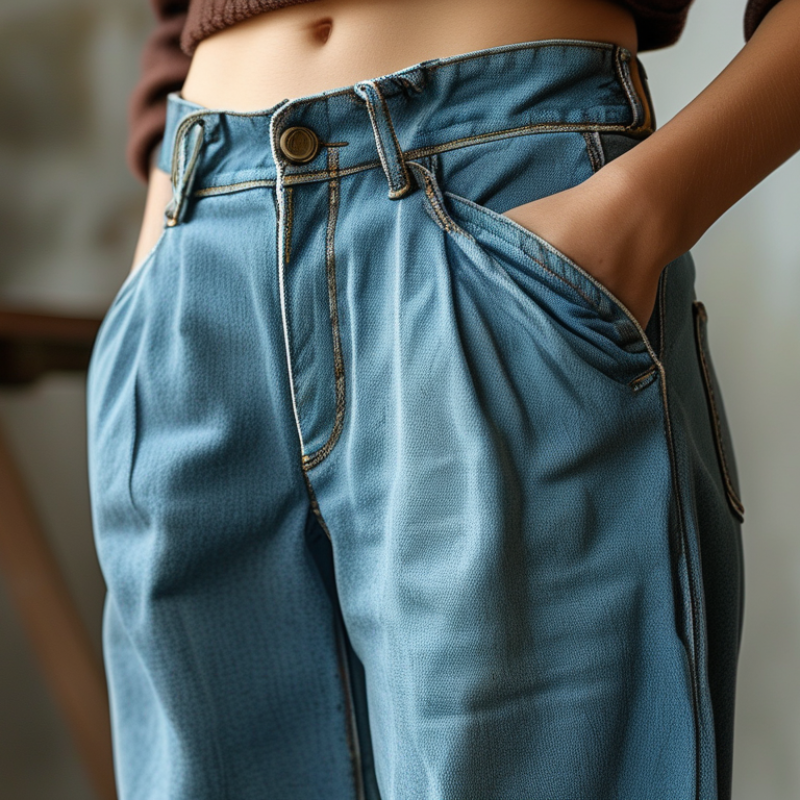
How to Adjust Pants That Are Too Tight or Too Loose?

Understanding the Common Issues with Tight and Loose Pants

When dealing with pants that are too tight or too loose, understanding the common issues is crucial. Tight pants can cause discomfort and restrict movement. Poor fit often stems from different body shapes and sizes. Meanwhile, loose pants can lead to a lack of support, making it hard to maintain a polished look. Recognizing your body type and personal preferences is the first step toward finding the right fit.

Tips: If your pants are too tight, consider using a steam method to relax the fabric. Gently pulling on the areas that feel snug can help. On the other hand, if your pants are too loose, adding a waistband extender can provide instant relief. Tucking in a top can also create a more fitted appearance.

Another common issue is the rise of the pants. Low-rise styles might not provide enough coverage, leading to discomfort. High-rise options may feel restricting at times. Pay attention to where the waistband sits on your body. Adjusting this can change the overall fit dramatically. Remember, it’s okay to experiment until you find what feels best for you. Your comfort is essential.

Adjusting Pants Fit: Common Issues and Solutions

Tools and Materials Needed for Adjusting Pants

When adjusting pants that don’t fit perfectly, having the right tools and materials is crucial. Start with a sewing machine for quick adjustments. If you don’t have one, a needle and thread can work as well. Fabric scissors are essential for trimming excess material. Measuring tape helps ensure accuracy when making adjustments. Tailor’s chalk or a fabric marker lets you mark areas that need altering.

Consider using pins to hold fabric in place while you sew. This prevents unwanted shifts and helps ensure a structured finish. An iron can be handy to press seams flat after adjustments. If you're adding fabric, fabric glue is a quick solution. Don’t forget to have a seam ripper on hand; it’s helpful when mistakes happen. Adjusting pants is often a trial and error process. Embrace the imperfections and learn from them. Each adjustment offers insights about fit and style preferences.

Step-by-Step Guide to Making Pants Smaller

When your pants feel too tight or loose, there are effective ways to adjust them. Start by gathering tools: a sewing machine, scissors, fabric pins, and measuring tape. It's essential to measure the areas that need adjustment. For example, if the waistband is too loose, measure your waist and compare it with the current width of the waistband. This step is crucial for a precise fit.

To make pants smaller, you can take in the side seams or reduce the waistband. Mark the fabric with fabric chalk where you need to sew. Pin the fabric along the marked lines to hold it in place. If you’re unsure, test with quick stitches first. It’s okay to make mistakes; adjustments often require trial and error. Once satisfied with the fit, sew the new seams and trim excess fabric. Press the seams for a clean finish. This process transforms your pants into a more comfortable fit, but be open to refining your technique. Adjustments can be tricky, and practice makes perfect.

Step-by-Step Guide to Making Pants Larger

When pants fit too tightly, they can cause discomfort and restrict movement. Adjusting pants to make them larger is a common need among many individuals. According to a report by the National Institute of Health, about 67% of the adult population in the U.S. struggles with fitting pants properly. This highlights the importance of knowing how to customize your clothing.

Start by checking the seams and waist area for potential adjustments. If the pants are primarily tight in the waist, you may be able to add fabric to the side seams. Consider using a stretchable fabric to provide extra comfort. Simple tools like a sewing machine, fabric scissors, and measuring tape are essential for this task. A study from the Fashion Institute of Technology suggests that 70% of successful alterations come from accurate measurements and straight lines.

For a more relaxed fit in the thigh or seat area, you can open the side seams and insert fabric panels. This adjustment allows for better movement while maintaining the original look of the pants. Remember to take your time; rushing may lead to uneven edges or unsatisfactory results. As you work through these alterations, be mindful of your unique body shape. Adjustments might not be perfect, and it may take several attempts to achieve the desired outcome.

Final Tips for Maintaining Adjusted Pants Fit

Adjusting pants for a perfect fit can be a challenge. Once you achieve your desired adjustments, maintaining that fit is crucial. Research indicates that about 80% of people experience issues with pant sizing at some point in their lives. This highlights the need for effective maintenance strategies.

To keep your altered pants comfortable, regularly check the waistband and hems. Fabric can stretch over time, especially in areas like the waist. Washing them in cold water helps preserve the fit. Avoid high heat when drying, as it can cause shrinkage. If your pants feel looser after several washes, consider reinforcing the seams.

Consider these tips:

  • Always hang your pants to avoid wrinkles.
  • Storing them correctly can prevent fabric stretching.
  • When sitting for long periods, be mindful of how they fit.
  • Tight pants may cause discomfort and loose ones might sag.
  • Frequent inspections can help you catch any issues early.
Remember, it’s fine to reassess; even well-adjusted pants may require tweaks over time.

FAQS

: What problems can tight pants cause?

: Tight pants may cause discomfort and restrict movement. This can lead to frustration and an unpolished look.

How can I improve the fit of tight pants?

Use a steam method to relax the fabric. Gently pull on tight areas for extra comfort.

What is a solution for loose pants?

Adding a waistband extender can help. Tucking in a top also creates a more fitted appearance.

Why is the rise of pants important?

The rise affects comfort and coverage. Low-rise styles may expose too much, while high-rise can feel restricting.

What tools do I need to adjust pants?

You need a sewing machine, scissors, fabric pins, and measuring tape for effective adjustments.

How do I make pants smaller?

Take in side seams or reduce the waistband. Measure, mark, pin, and sew for a better fit.

How can I maintain my adjusted pants?

Regularly check the waistband and hems. Washing in cold water helps keep the fit intact.

What should I watch for when wearing pants?

Be mindful of how they fit when sitting. Tight pants can pinch and loose ones might sag.

Is it common to experience fit issues?

Yes, about 80% of people face pant sizing issues at some point. It’s normal to need adjustments.

Can I reassess my pants' fit over time?

Absolutely. Well-adjusted pants may still require tweaks as fabric stretches or shifts. Regular checks are helpful.

Conclusion

Knowing what to do if pants are too tight or too loose can help you achieve a comfortable fit that flatters your figure. This article outlines common issues with sizing, such as waistband tightness and excess fabric, and provides a comprehensive list of tools and materials you'll need for adjustments.

The step-by-step guides detail how to make pants smaller by taking in the seams or using darts and how to enlarge them through techniques like adding fabric or adjusting the waistband. Finally, the article offers tips for maintaining the fit of your adjusted pants, ensuring they stay comfortable and stylish over time. With these methods, you can easily customize your pants to suit your body perfectly.

Amelia

Amelia

Amelia is a seasoned marketing professional with a wealth of expertise in our company’s core offerings. With an unwavering passion for driving growth and innovation, she plays a pivotal role in shaping our marketing strategies and enhancing brand visibility. A key aspect of her responsibilities......