What Fabric is Best for T Shirts to Ensure Quality and Comfort?

Time:2026-05-25 Author:Madeline
0%

Choosing the right fabric is crucial for t-shirts. Comfort and quality often hinge on this decision. So, what fabric is best for t-shirts? Factors like breathability, durability, and feel play important roles. Cotton is a common choice. It's soft and breathable. However, it may not always hold its shape well after multiple washes.

Polyester is another popular option. It wicks away moisture and resists wrinkles. Yet, it may lack the softness of cotton. Blends of both fabrics can offer a balance. They provide comfort while maintaining durability. However, quality varies widely among manufacturers.

The marketplace offers countless options. Navigating these choices can be overwhelming. Considerations like personal comfort and style preferences matter too. It's essential to reflect on what works best for you. Ultimately, each fabric has strengths and weaknesses. Understanding these helps in making an informed choice when selecting t-shirts.
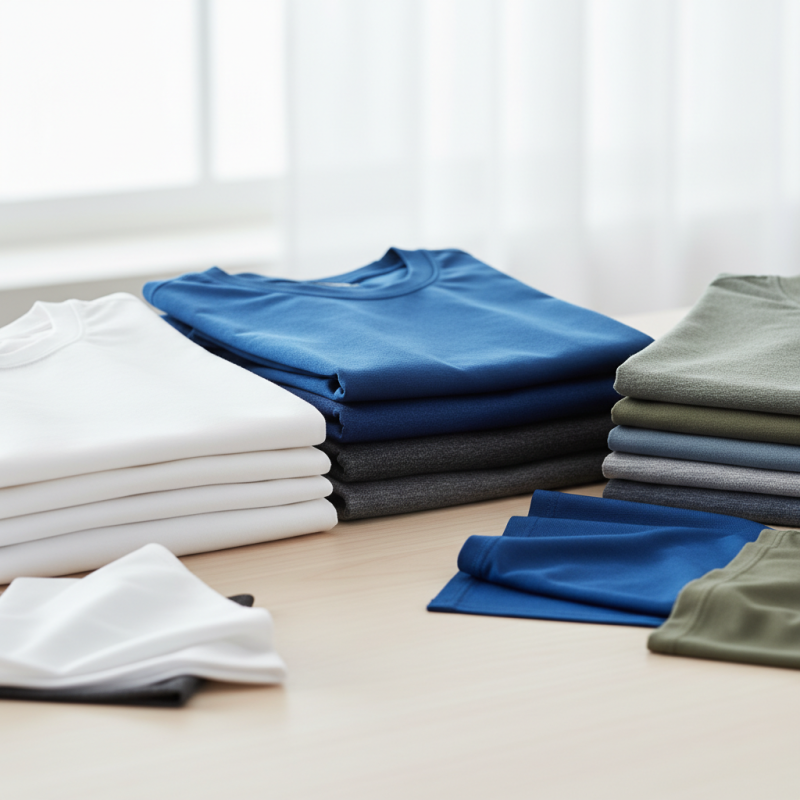
What Fabric is Best for T Shirts to Ensure Quality and Comfort?

Factors Influencing T-Shirt Fabric Selection for Quality and Comfort

When choosing fabric for T-shirts, several factors come into play. Comfort is paramount. Fabrics like cotton offer a soft texture that feels good against the skin. However, not all cotton is equal. Some blends may cause irritation or lack breathability. Pay attention to fabric weight. Lightweight materials can be too sheer. Heavier options may cause overheating during warm weather.

Durability is another key factor. Some fabrics wear out quickly or lose their shape after washing. Choosing a blend of materials, like cotton and polyester, can enhance longevity while maintaining comfort. Stretchable fabrics can be comfortable, but they may not always hold up over time. It’s essential to consider how the fabric will be used.

Additionally, consider the fabric's environmental impact. Organic materials may be a healthier choice for you and the planet. However, they can come with a higher price tag. Understanding your priorities can help. Quality and comfort often depend on your personal preferences and lifestyle choices. Selecting the right fabric is a blend of art and science, and there's often room for reflection and adjustment.

Cotton: The Most Popular Fabric Choice for Breathability and Softness

When it comes to T-shirts, cotton stands out as the top choice. Its breathability is unmatched, making it ideal for warm weather. Cotton feels soft against the skin and can absorb moisture well. This ensures comfort throughout the day. Notably, high-quality cotton retains its shape after multiple washes.

However, not all cotton is created equal. Some blends may dilute its natural qualities. Fabrics like polyester add durability but often compromise on softness. Choosing 100% cotton is advisable for maximum comfort. Always check the label before buying.

**Tips for Choosing Cotton T-Shirts:**
Look for ringspun cotton. This provides a smoother feel. Check the thread count; higher counts generally indicate a better-quality shirt. Always opt for fabrics that feel good against your skin. Remember, quality over quantity is vital. Investing in a few well-made shirts can lead to greater satisfaction than a closet full of lower-quality options.

Polyester: Durability and Moisture-Wicking Properties Explored

When considering T-shirt fabrics, polyester emerges as a popular choice. Known for its durability, polyester can withstand wear and tear far better than some natural fibers. According to textile industry reports, polyester fibers can last up to three times longer than cotton under continuous use. This makes it a favorite among activewear manufacturers.

One of the most praised features of polyester is its moisture-wicking property. This fabric can pull moisture away from the body, keeping the wearer dry. A study by the American Textile Manufacturers Institute revealed that polyester can absorb only 0.4% of its weight in water compared to cotton, which can absorb up to 7%. This characteristic is particularly beneficial for athletes and those living in humid climates.

However, while polyester offers various benefits, it also has drawbacks. Some consumers find it less breathable than natural fibers, leading to discomfort in hot conditions. The sheen of polyester can be unappealing to some people, making it feel less casual. It's crucial for manufacturers to consider both functionality and comfort when utilizing this fabric for T-shirts. The balance between durability and breathability remains a point for further discussion in the industry.

What Fabric is Best for T Shirts to Ensure Quality and Comfort?

Fabric Type Durability Moisture-Wicking Breathability Comfort Care Instructions
100% Polyester High Excellent Moderate Moderate Machine wash, tumble dry
Cotton Medium Poor High High Machine wash, air dry
Cotton/Polyester Blend High Good Good High Machine wash, tumble dry
Bamboo Medium Excellent High High Machine wash, air dry

Blends: The Benefits of Cotton-Polyester Combinations for T-Shirts

When it comes to T-shirts, choosing the right fabric is crucial for comfort and durability. Cotton-polyester blends stand out in this area. These fabrics combine the natural softness of cotton with the strength of polyester. This combination creates a lightweight, breathable material that feels great against the skin.

One of the biggest advantages of cotton-polyester blends is their wrinkle resistance. While 100% cotton can easily crumple, blends maintain a polished appearance. Fans of active lifestyles will appreciate this feature. Additionally, these blends often cost less than premium fabrics, making them accessible. However, maintaining the quality can be challenging. Overwashing or incorrect care may lead to pilling or fading.

While many appreciate the advantages, some purists prefer 100% cotton. It’s softer and more breathable but may not hold its shape as well. Finding the perfect fabric for your T-shirt involves weighing these factors. Consider personal preferences, lifestyle needs, and the impact on the environment. Cotton-polyester blends may not be perfect, but they provide a reliable compromise for many T-shirt lovers.

Fabric Blends for T-Shirts: Comfort and Quality Comparison

Technical Fabrics: Innovations in Performance Wear for Ultimate Comfort

The landscape of performance wear has evolved dramatically. Technical fabrics now dominate the market, focusing on moisture-wicking properties and breathability. According to a 2022 report by the Performance Apparel Market, technical fabrics have seen a growth of 20% annually. This increase reflects consumer demand for comfort and functionality in everyday wear.

One of the innovations in this field is the use of synthetic fibers like polyester and nylon. These materials are lightweight and offer excellent durability. They allow for better air circulation, crucial for regulating body temperature during physical activities. However, there are concerns about the environmental impact of these materials. Sustainable practices are slowly being integrated, but many brands still struggle to find a balance between performance and ecological responsibility.

Interestingly, the rise of smart textiles adds another layer to comfort. Fabrics that can regulate temperature and monitor heart rates are gaining traction. However, their adoption poses challenges. Issues with wearability and long-term comfort often arise, leaving consumers wary. As the industry advances, more research is crucial to ensure these innovations meet both performance and ethical standards.

FAQS

: What is the most important factor when selecting T-shirt fabric?

: Comfort is paramount. Fabrics like cotton are preferred for their soft texture.

Are all cotton fabrics the same?

No, some cotton blends may irritate the skin or lack breathability.

Why does fabric weight matter?

Lightweight materials may be too sheer, while heavier fabrics can cause overheating in warm weather.

What enhances fabric durability?

Blending materials, like cotton and polyester, increases longevity while maintaining comfort.

What should be considered regarding fabric for performance wear?

Moisture-wicking and breathability are key for regulating body temperature during activities.

How do synthetic fibers impact performance wear?

Polyester and nylon are lightweight and durable, but there are environmental concerns.

What challenges do smart textiles face?

Issues with wearability and long-term comfort can leave consumers hesitant.

Are organic fabrics a better choice?

They may be healthier for you and the environment, but they often come at a higher price.

How important is personal preference in fabric selection?

Your priorities and lifestyle choices greatly influence fabric quality and comfort.

Is there room for improvement in fabric technology?

Yes, the industry needs more research for performance and sustainable practices.

Conclusion

When considering what fabric is best for t-shirts, several key factors come into play that significantly influence both quality and comfort. Cotton remains the most popular choice due to its natural breathability and softness, making it ideal for everyday wear. Polyester, on the other hand, is renowned for its durability and moisture-wicking properties, making it suitable for active pursuits.

Additionally, blends of cotton and polyester offer the best of both worlds, combining the softness of cotton with the strength and performance of polyester. Lastly, technical fabrics have emerged as innovative options for performance wear, designed to enhance comfort and functionality during physical activities. Ultimately, the best fabric for t-shirts depends on the intended use and personal preferences, balancing breathability, softness, and durability.

Madeline

Madeline

Madeline is a dedicated marketing professional with a wealth of expertise in our company's core offerings. With a keen understanding of the industry, she brings a unique perspective to her role, consistently delivering high-quality content that highlights the superior aspects of our products. As......