Finding the perfect fit for pants can often feel like a daunting task. With so many styles and sizes available, the challenge is real. Many people struggle with choosing the right fit, leading to frustration and wasted time. This is where understanding how to find the perfect fit for pants becomes crucial.
To start, every body is unique. What fits one person perfectly might not work for someone else. It’s essential to measure your body accurately. Don’t rely solely on sizes. Sizes can vary widely among brands. Trying on different styles can help you get a better sense of what works for your figure. Pay attention to the fabric as well; some materials stretch while others do not.
Ultimately, the goal is comfort and confidence. However, finding this perfect fit may require several attempts. You might encounter pants that are either too tight or too loose. Reflecting on these experiences is vital. Each misstep can guide you closer to your ideal fit. Learning how to find the perfect fit for pants is a journey worth taking.
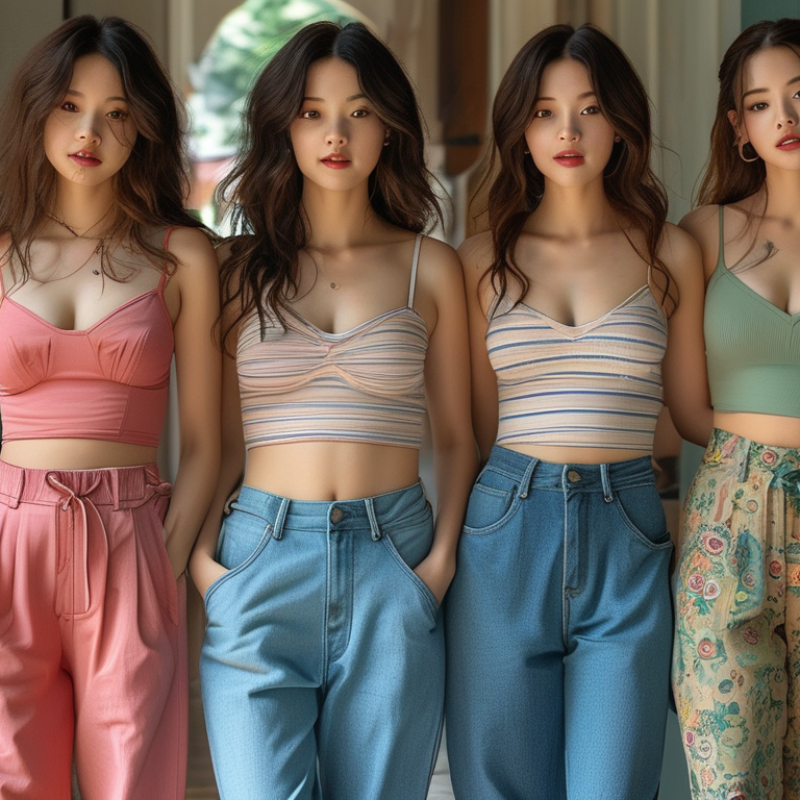
Finding the right pants can feel overwhelming, especially with so many styles available. Different body types require different fits and styles to enhance their best features. According to a report by the Fashion Institute of Technology, a significant percentage of women struggle to find bottoms that fit well, often resulting in frustration.
For those with pear-shaped bodies, A-line pants or wide-leg styles work wonders. They balance proportions and create an elongated appearance. In contrast, athletic builds benefit from straight-leg or tailored pants that add definition to the silhouette. Similarly, curvy figures tend to shine in high-rise trousers that emphasize the waist while providing comfort.
Choosing the right fabric is equally important. A study by the Apparel Marketing Research Association suggests that breathable materials can drastically improve comfort. Cotton blends and stretch fabrics are often favored for their flexibility. Keep in mind that fit can vary even within the same size, so trying on multiple options is crucial. A perfect fit isn't always immediate; it may require a deeper understanding of body shape and personal preferences.
Measuring your waist and hips is crucial for finding the perfect fit for pants. Start by gathering your tools: a flexible measuring tape and a mirror. Stand straight and relax your abdomen. Wrap the measuring tape around the narrowest part of your waist. Make sure it's snug but not tight. Note the measurement. Now, for your hips, measure around the fullest part. This is often at your hipbone level. Again, keep the tape snug but not restrictive.
Understanding these measurements can be tricky; many people make mistakes. It’s common to pull the tape too tight or to measure in the wrong position. It’s okay to take several tries until you feel confident in your numbers.
Once you have your waist and hip measurements, consult sizing charts. Remember that sizing can vary between styles and fits. You might find that a size you wore last year no longer feels right. Don't be discouraged; your body changes over time. The key is to adapt and choose pants that make you feel comfortable and confident.
| Tip Number | Tip | Measurement Method | Recommended Size |
|---|---|---|---|
| 1 | Measure Your Waist | Use a flexible measuring tape around your natural waist. | 30 inches |
| 2 | Measure Your Hips | Measure around the fullest part of your hips. | 40 inches |
| 3 | Consider Rise and Inseam | Measure from the top of the waistband to the crotch seam for inseam. | 32 inches |
| 4 | Try Different Styles | Experiment with skinny, straight, and relaxed fit styles. | Varies by style |
| 5 | Check the Fabric | Feel the fabric to ensure it has enough stretch. | Cotton/Spandex blend |
| 6 | Use Size Charts | Refer to the manufacturer's size chart for guidance. | Medium (M) |
| 7 | Consider Tailoring | Take to a tailor for a personalized fit. | N/A |
| 8 | Test Movement | Walk around and sit down to ensure comfort. | N/A |
| 9 | Select the Right Color | Choose colors that match your wardrobe. | Neutral colors |
| 10 | Read Customer Reviews | Check online reviews for insights on fit and comfort. | Mixed feedback |
Finding the right fit for pants can be challenging. One of the most critical factors is the fabric. A study by the American Apparel and Footwear Association shows that over 60% of consumers prioritize comfort in their clothing choices. Fabrics like cotton, polyester, and spandex blend provide various levels of stretch and comfort. Cotton offers breathability but may lack stretch, while spandex adds flexibility for active wearers.
Stretch is another crucial aspect. According to a report by Textile World, about 75% of consumers are looking for pants that move with them. The right amount of stretch can make or break the fit. Too much stretch can lead to a baggy look. Conversely, too little can cause discomfort. It’s essential to consider the intended use of the pants. If you’re going for a tailored look, choose fabrics with minimal stretch. Yet, if you prefer casual wear, opt for more stretchable materials.
Additionally, understanding your body type is vital. Each fit is designed for different shapes. Ideally, pants should enhance body lines while offering enough flexibility for movement. When trying on pants, sit and move. Ensure the fabric adapts without restricting. Remember, fit isn’t just about size—it's about how it feels while you wear it. The journey to perfect pants requires both patience and insight.
When searching for the perfect fit in pants, trying on multiple sizes and brands is crucial. A study by the American Apparel and Footwear Association found that 70% of shoppers experience fit challenges. Many people think they know their size, yet different brands often have varying measurements. Trying multiple sizes ensures you find the right fit, even if it’s not what you expect.
Consider the fabric and style as well. Stretch denim may fit differently compared to cotton twill. A study from the Fashion Institute of Technology highlighted that consumers often buy two sizes and return one. This shows how vital it is to experiment.
Don’t shy away from revisiting the mirror. Reflect on the fit and how it feels. Are the pants too snug in the thighs? Does the waistband pinch? Each body varies, and even slight alterations in cut can lead to discomfort. Remember, not every fit will be perfect, and it’s okay to struggle with this. Adjusting expectations can change your shopping experience significantly.
Finding the perfect fit for pants can elevate your overall look, but it involves more than just selecting a size. Pay attention to key features that can make a significant difference. The rise of the pants is crucial. A higher rise can elongate the legs while a lower rise can create a relaxed feel. Make sure to try different rises to see what complements your body type.
Chest, waist, and hip measurements matter too. Many people overlook the importance of taking accurate measurements. Use a fabric tape measure for precision. If you’re between sizes, consider the fit you desire—snug or relaxed. Remember that some fabrics may stretch after wear, affecting fit over time.
Lastly, check the hem length. Pants that are too short can throw off proportions. If you find yourself unsure, take a photo in the mirror. This can reveal details you might miss while standing. Reflect on how the pants feel when you move. Comfort is as important as appearance in finding that perfect fit.
: Different body types need specific styles. A-line and wide-leg pants work well for pear shapes, while athletic builds suit straight-leg styles.
Choose breathable materials for comfort. Cotton blends and stretch fabrics offer flexibility and can improve your overall experience.
Use a flexible tape measure. Measure the narrowest part of your waist and the fullest part of your hips. Keep the tape snug.
Sizes can vary by brand and style. A size you wore last year might not fit the same now. It's normal for bodies to change.
The rise affects your look. A higher rise can elongate legs, while a lower rise offers a relaxed feel. Try different rises.
Pay attention to measurements and fabric choice. A snug fit can be flattering, but comfort is key. Reflect on how the pants feel while moving.
Short pants can disrupt proportions. Always check the hem length. Consider tailors for adjustments if unsure about fit.
It's a good idea to measure occasionally. Body size can change over time. Regular checks ensure a proper fit.
Sizing charts are guidelines but can be inconsistent. Always try on different styles to find your best fit.
Choose styles that feel comfortable and reflect your personality. A good fit boosts confidence and complements your unique features.
Finding the perfect fit for pants can be a challenging task, but understanding different pant styles tailored to your body type is crucial. First, measure your waist and hips accurately, as this will help you select the right size. Additionally, consider the fabric and stretch of the material, as these factors significantly impact comfort and overall fit.
When determining how to find the perfect fit for pants, it’s advisable to try on various sizes and brands. This approach allows you to compare how different styles suit your body. Lastly, pay attention to key features like waistbands, pockets, and leg shape, which can contribute to a more tailored look and feel. By following these tips, you can ensure that you choose pants that not only fit well but also enhance your style.

JALSÉRA Fashion