How to Choose Breathable Clothing for Summer 7 Tips

Time:2026-10-07 Author:Isabella
0%

Hot weather can make ordinary clothing feel heavy within minutes. Sweat collects under tight collars, while dark fabrics absorb heat during long walks. Learning how to choose breathable clothing for summer can improve comfort, reduce skin irritation, and make daily movement easier. The right choice is not always the thinnest shirt. Airflow, moisture control, fabric structure, and fit all matter.

Natural fibers such as linen and lightweight cotton often feel cool against the skin. However, cotton can remain damp after intense sweating. Moisture-wicking polyester or nylon may dry faster during travel, exercise, or humid commutes. Fabric quality varies widely. Check the weave, weight, and care label instead of trusting a material name alone. Hold the garment near a window. Can you see a little light through it? That simple test may reveal useful airflow.

Loose sleeves and open necklines usually support better ventilation. Still, oversized clothing can trap warmth if the fabric hangs heavily. Light colors may reflect more sunlight, but they do not solve every problem. A pale, tightly woven shirt can feel warmer than a darker, airy one. Personal experience matters here. I once chose a very thin top for a hot afternoon, but its clingy texture made the heat worse. The mistake was assuming thin meant breathable.

These seven practical tips will help you compare summer garments with greater confidence. They focus on real comfort, reliable fabric clues, and sensible care habits. Small details matter. Your climate, activity level, and skin sensitivity should guide the final decision. Expect some trial and error. That is part of finding clothing that truly works.
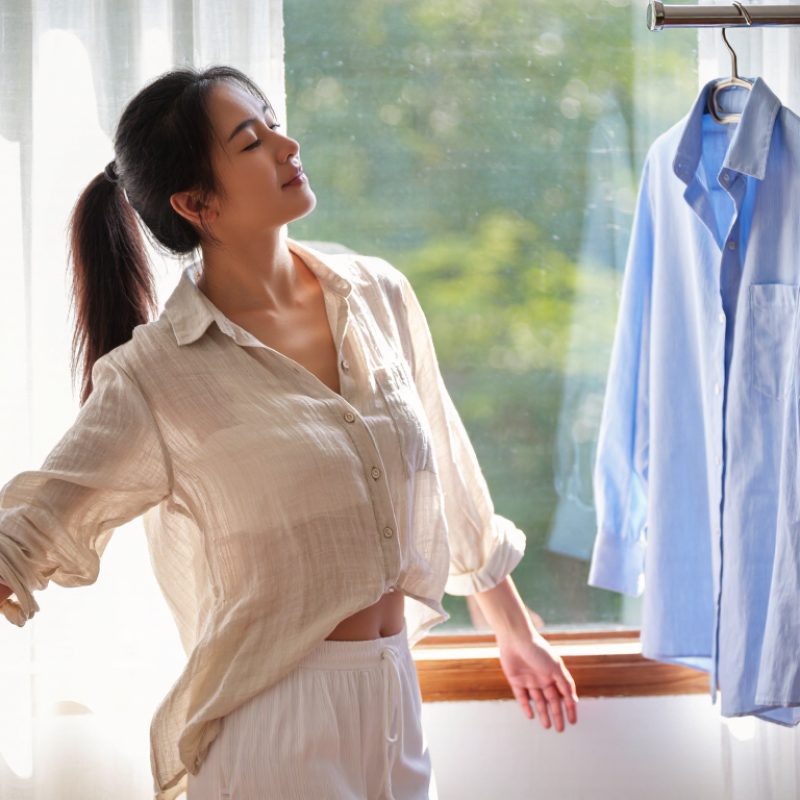
How to Choose Breathable Clothing for Summer 7 Tips

Identify Fabrics That Allow Airflow and Release Moisture

How to Choose Breathable Clothing for Summer 7 Tips

Identify Fabrics That Allow Airflow and Release Moisture

Breathable summer clothing should move air and release sweat. Loose linen, lightweight cotton, and rayon blends often feel cooler than dense fabrics. However, fiber content alone can mislead. A tightly woven cotton shirt may trap heat, while a thin synthetic knit can dry faster. My own mistake was choosing “100% cotton” without checking its weight and construction. It felt comfortable at breakfast, then stayed wet during a crowded afternoon walk.

Look for open weaves, mesh panels, and a relaxed fit around the chest and underarms. These details create small air channels. The AATCC TM195 moisture-management method evaluates wetting, spreading, and drying behavior, not just fiber labels. A shirt that spreads moisture across a wider area may dry more quickly. Check for practical wording such as “quick drying” or “moisture wicking,” but treat those claims carefully.

Textile Exchange’s 2024 Materials Market Report estimates global fiber production reached about 124 million tonnes in 2023. Polyester represented roughly 57 percent, while cotton accounted for about one-fifth. This scale makes fabric selection important, but polyester is not automatically uncomfortable. A lightweight, engineered polyester can release moisture better than heavy cotton. ISO 11092 testing also measures thermal and water-vapor resistance, giving manufacturers a more technical way to assess comfort. Still, test conditions are controlled. Your humid commute may feel different.

Hold the fabric toward a window, pinch its thickness, and notice whether air passes through. Five minutes of checking can prevent an entire sweaty day.

Choose Loose, Lightweight Designs for Better Summer Ventilation

Hot weather clothing should help air move around your skin. Choose loose shirts, relaxed trousers, and dresses with room at the shoulders. Tight fabric traps heat near your back and waist. Lightweight cotton, linen, and hemp blends often feel cooler than heavy materials. Open weaves can improve airflow, but they may wrinkle quickly. That is not always a problem. A slightly rumpled shirt can still be comfortable and practical.

Tips: Check the fabric against your wrist before buying. It should feel light, soft, and breathable. Hold it toward a window and examine the weave. Small openings usually allow more ventilation. Choose pale colors when walking under strong sunlight, because dark fabrics absorb more heat. However, color is only one factor. A loose dark shirt may feel cooler than a tight pale one.

Pay attention to sleeves, collars, and waistbands. Wide sleeves create useful air movement when you walk. A lower collar can release heat, but it should still protect your shoulders when needed. Avoid extra layers unless they are thin and easy to remove. I sometimes choose a very lightweight fabric that looks ideal but becomes clingy after sweating. That mistake taught me to test clothing while moving, not only while standing. Wear the outfit indoors for ten minutes, then bend, sit, and walk. If moisture stays against your skin, the design may need more space or a more absorbent fabric.

How to Choose Breathable Clothing for Summer: 7 Tips

Choose loose, lightweight designs to improve airflow and reduce heat retention during hot weather.

Chart: Representative fabric weights for lightweight summer garments. Lower fabric weight generally helps reduce insulation, while weave structure, fit, and moisture management also affect comfort.

  • Choose loose-fitting silhouettes that allow air to circulate between the fabric and skin.
  • Prefer lightweight fabrics such as cotton voile, linen, rayon challis, and open-knit materials.
  • Look for open or breathable weaves rather than dense, tightly packed construction.
  • Select moisture-absorbing fibers when humidity and perspiration are major concerns.
  • Use light colors to reflect more sunlight and reduce heat absorption.
  • Avoid excessive layering and heavy linings in hot weather.
  • Check the garment in motion: sleeves, hems, and openings should not restrict airflow.

Match Clothing Colors and Weaves to Hot Weather Conditions

Choosing breathable clothing for summer starts with two details: color and weave. Light shades reflect more sunlight than dark ones, helping fabric absorb less radiant heat. White, pale blue, and soft beige often feel cooler during outdoor walks. However, color is not everything. A loose, open weave can move air across the skin, even under strong sunlight.

Look for linen, cotton gauze, or lightweight blends with visible spacing between yarns. Hold the fabric toward a window. If you can see a little light through it, air may pass through more easily.

Air needs room. A tight plain weave can trap warmth, especially in humid weather. Seersucker works differently because its raised texture keeps parts of the cloth away from the skin. That small gap can reduce the sticky feeling around the back and shoulders.

I once chose a black, loosely woven shirt for a hot afternoon. It ventilated well, but the dark surface became noticeably warmer in direct sun. The result was mixed. In dry heat, a loose dark garment may still feel comfortable when walking in shade, while a pale, tightly woven shirt can feel warmer than expected. Check the fabric weight, surface texture, and weave before trusting its color. Also consider sweat. Some airy fabrics dry slowly, which can feel cold after sunset or during a breeze. Test clothing by standing outside for ten minutes, not only by touching it indoors.

Check Fit, Layering, and Features That Affect Breathability

How to Choose Breathable Clothing for Summer: 7 Tips

Breathability starts with fit. Choose a shirt that leaves space around your chest and underarms. Tight fabric traps warm air against the skin. Very loose clothing can also feel awkward in strong wind. Raise your arms before buying. If the seams pull, try a larger size. Check the weave, too. Lightweight linen, cotton, hemp, and some synthetic knits can allow useful airflow. Hold the fabric toward a window. Visible gaps often suggest better ventilation, though appearance is not proof. A thin, pale fabric may feel cooler than a dense dark one.

Layer with care. Wear one loose base layer instead of several tight pieces. Add an open overshirt when shade or indoor cooling changes your comfort. Look for mesh panels, underarm gussets, back vents, and two-way zippers. These features release heat during walking or commuting. Adjustable cuffs and hems help you control airflow without removing the garment. Choose moisture-managing fabric for exercise, but test it against your skin. Some materials move sweat well yet feel clammy in humid weather.

Try it in motion.

I once chose a very loose shirt for a hot market walk. It breathed well, but its heavy pockets pulled the fabric downward. That detail reduced comfort more than expected. Check pocket size, lining, and decorative layers. Wash the garment according to its care label, then inspect shrinkage and stiffness. Breathability can change after repeated washing, so one fitting is not enough. If possible, walk outside for ten minutes before deciding.

Evaluate Comfort, Care Needs, and Suitability for Daily Activities

How to Choose Breathable Clothing for Summer: 7 Tips

Comfort depends on more than fiber labels. Choose a relaxed fit first, because trapped fabric holds heat against your skin. Fit matters. ASHRAE Standard 55-2023 uses about 0.5 clo as a common summer clothing reference. This means lightweight layers usually suit warm indoor spaces. Select pale colors for strong sunlight, and inspect the weave against a window. Open structures often release heat faster, although they may wear sooner. That trade-off is easy to overlook.

Check moisture performance, not just softness. ISO 11092 measures water-vapor resistance and evaporative resistance in textiles. Lower resistance generally supports easier sweat evaporation. However, laboratory results cannot predict every body or climate. A loose linen shirt may feel excellent while walking, but become clingy during crowded commuting. For daily activities, match the garment to movement: airy tops for errands, secure sleeves for cycling, and quick-drying layers for exercise. Test it. Raise your arms, sit down, and notice damp spots.

Care needs affect comfort over time. Follow the wash temperature on the label, avoid unnecessary high heat, and dry garments fully before storage. Rough washing can change texture and airflow. Textile Exchange’s Materials Market Report 2024 states that polyester represented about 57% of global fiber production in 2023. That scale does not prove poor comfort; construction and finishing still matter. I sometimes overvalue a soft first touch. A better check is wearing the garment for two hours, then reviewing odor, drying speed, and freedom of movement. No fabric wins every setting.

FAQS

What makes summer clothing breathable?

Breathable clothing moves air and releases moisture. Look for loose linen, lightweight cotton, or thin synthetic knits. Open weaves and mesh panels can create useful air channels.

Is 100% cotton always suitable for hot weather?

Not always. A tightly woven cotton shirt may trap sweat and stay wet. Check its weight, thickness, and airflow near a window.

How can I test a garment before buying it?

Hold the fabric toward a window and look for small gaps. Pinch its thickness, raise your arms, and check whether the seams pull. Five minutes can prevent a sweaty day.

Which fit supports better airflow?

Choose space around your chest and underarms. Tight fabric holds warm air against your skin. Very loose clothing may flap, pull, or feel unstable in wind.

Which clothing features can release heat?

Mesh panels, underarm gussets, back vents, and two-way zippers can improve ventilation. Adjustable cuffs and hems let you control airflow. Small details matter.

How should I layer clothing in summer?

Wear one loose base layer instead of several tight pieces. Add an open overshirt when shade or indoor cooling changes your comfort. Avoid heavy linings and decorative layers.

How should clothing match different activities?

Choose airy tops for errands, secure sleeves for cycling, and quick-drying layers for exercise. Sit down, raise your arms, and walk briefly before deciding. Try it moving.

How does clothing care affect breathability?

Follow the care label and avoid unnecessary high heat. Rough washing may make fabric stiff, shrink it, or reduce airflow. Dry garments fully before storage.

Can laboratory fabric results predict personal comfort?

Only partly. Testing can measure moisture movement and water-vapor resistance under controlled conditions. Your humid commute may feel different. I sometimes trust technical claims too quickly.

What should I consider beyond fabric type?

Check color, pockets, lining, and garment weight. Pale, thin fabric may feel cooler in sunlight, while heavy pockets can pull clothing downward. No fabric wins every setting.

Conclusion

Learning how to choose breathable clothing for summer starts with selecting fabrics that allow air to circulate and help moisture evaporate. Lightweight materials with an open structure can reduce heat buildup and keep skin feeling drier. Loose-fitting shirts, dresses, shorts, and trousers also improve ventilation by leaving space between the fabric and your body. In addition, consider lighter colors that reflect sunlight, along with weaves that are not overly dense, especially in hot and humid conditions.

Breathability also depends on fit, layering, and practical design features. Avoid tight garments and excessive layers that trap warmth, and look for details such as ventilation panels, relaxed openings, or moisture-managing construction. Finally, choose clothing that feels comfortable during your daily activities and matches your care preferences. Easy-to-wash, quick-drying pieces may be especially useful for commuting, exercise, travel, or outdoor routines, helping you stay cool without sacrificing convenience or personal style.

Isabella

Isabella

Isabella is a dedicated marketing professional with a sharp focus on driving brand growth and engagement through strategic content creation. With an extensive background in digital marketing, she combines her passion for storytelling with her keen understanding of industry trends to deliver......