Choosing the right hoodie can be a challenge. With countless styles and brands, how to tell if a hoodie is high quality? To make an informed decision, it’s essential to consider several key factors. Quality hoodies not only provide comfort but also durability. They can withstand repeated washes and daily wear, maintaining their shape and color.
Look closely at the fabric. Premium materials like cotton or a cotton blend often feel softer and more breathable. The stitching should be even and tight, showing attention to detail. Pay attention to the hoodie’s weight. A heavier hoodie is usually a good sign of quality. Lightweight options may lack the longevity you need.
Don’t overlook the fit and design. High-quality hoodies typically have a tailored fit that flatters different body types. However, what looks good on the mannequin may not suit you. Take your time in choosing the right style and fit that meets your needs. Ultimately, investing in a high-quality hoodie can elevate your wardrobe and offer lasting comfort.
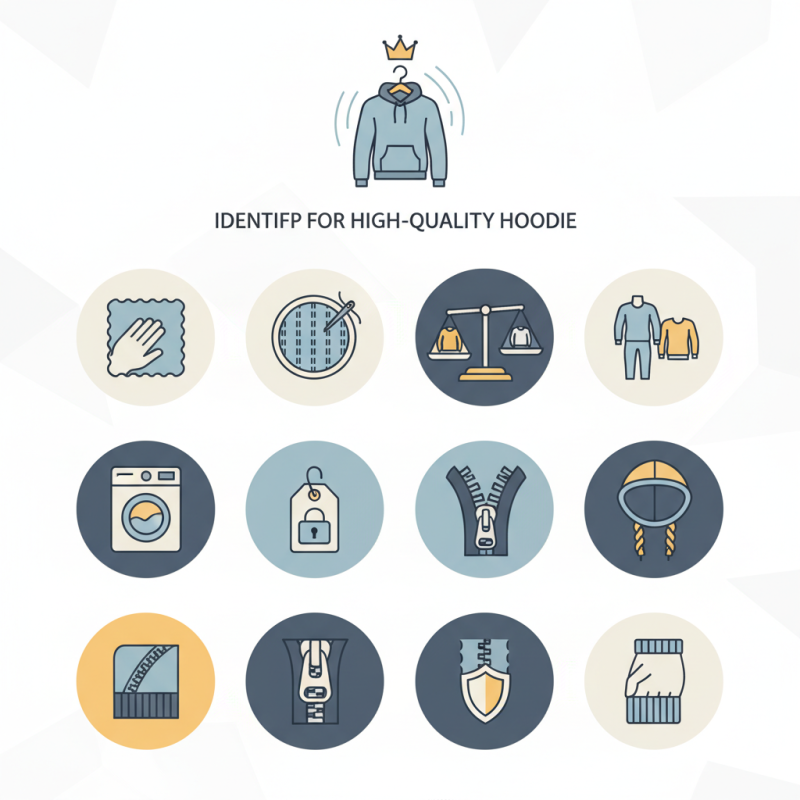
When it comes to identifying high-quality hoodies, understanding fabric types is essential. Fabrics like cotton, polyester blends, and fleece each have unique characteristics.
Cotton hoodies are breathable and soft, making them ideal for casual wear. Look for long-staple cotton, which is stronger and has a smoother finish. This type ensures durability, but some cotton blends might compromise feel for lower cost.
Polyester blends can offer better resilience and moisture-wicking properties. A high-quality polyester has a smooth texture and retains its shape well. However, cheaper polyester might feel scratchy and degrade quickly.
Fleece is another popular choice, providing warmth and comfort. Check the thickness; a denser fleece often hints at better insulation and quality.
Be mindful when assessing fabric weight. Heavier fabrics often indicate durability, but they should still feel comfortable. Lightweight options can be great for layering but ensure they don’t sacrifice warmth. It's important to evaluate the stitching and seams as well. Tight, even stitching is a sign of good craftsmanship, while loose threads or uneven seams can be telltale signs of lower quality.
When evaluating hoodies, stitching and construction techniques reveal much about their quality. Look for tight, even stitches. Uneven stitching indicates poor craftsmanship. Assess if the stitching runs along seams and hems properly. This ensures durability during wear and wash cycles.
Check the thread used in the construction. A thicker, high-tensile thread often enhances longevity. Be aware of double-stitching in high-stress areas like the shoulders. It may not look perfect, but it adds strength. Inspect the fabric itself; it should feel robust without excessive pilling tendencies. A blend of materials can also affect durability, so evaluate fabric types carefully.
However, not every hoodie will maintain its initial shape and look after several washes. Some may develop fraying edges or lose their elasticity. A good hoodie balances aesthetics and durability. When considering these aspects, think critically about how you plan to wear and wash the hoodie. Quality often reveals itself over time, so keep an eye out for unexpected flaws.
When assessing fit and comfort in hoodies, size matters significantly. A well-fitted hoodie hugs the body in all the right places. However, many shoppers simply go with their usual size without trying it on. This can lead to discomfort, especially if the hoodie is too tight or too loose. Always check the sizing chart provided by the manufacturer. Sizes can vary greatly among different brands.
It is essential to consider the fabric and its stretch. Hoodies made from cotton blends often provide a cozy feel without sacrificing flexibility. When evaluating fit, raise your arms and turn to see how the hoodie moves. Does it ride up? Is it too snug under the arms? These details can make or break your comfort.
Pay attention to the length as well. A hoodie that is too long may affect mobility, while one that is too short can leave you cold. Experimenting with several styles can lead to discovering what works best for you. Remember, even a high-quality hoodie may not fit perfectly on the first try. This is part of the learning process in finding your perfect match.
When searching for high-quality hoodies, brand reputation matters immensely. Reliable brands often have a history of positive customer feedback. They invest in quality materials and craftsmanship, which sets them apart. Research online reviews and ratings. Pay attention to common themes in customer experiences. Brands with consistent praise and few complaints tend to be more reliable.
Consider the brand's commitment to sustainability. Companies that prioritize eco-friendly practices often reflect a sense of responsibility. Their focus on quality usually leads to better products. Look for brands that are transparent about their sourcing and manufacturing processes. This transparency builds trust and lets you know more about what you're purchasing.
Keep an eye on the availability of customer support. A reputable brand is usually responsive to queries and provides easy returns. If a brand makes it hard to get in touch, it might be a red flag. Quality brands will offer a good warranty. Reflect on these aspects while selecting your hoodie. Each point can help you weigh the reliability of a brand, guiding you toward a wiser purchase.
| Tip Number | Tip Description | Material Quality | Stitching Quality | Brand Reputation |
|---|---|---|---|---|
| 1 | Check the fabric composition. | Cotton blends preferred for comfort. | Look for tight, even stitching. | Research customer reviews online. |
| 2 | Examine the hoodie’s fit and cut. | Good quality should have a tailored fit. | Check for consistent seam alignment. | Look for established brands. |
| 3 | Inspect the weight of the fabric. | Heavier fabric often indicates durability. | Avoid loose threads and uneven hems. | Check brand’s history for quality assurance. |
| 4 | Look for additional features like pockets. | Functional pockets add practicality. | Test zipper and button strength. | Reviews on functionality can provide insight. |
| 5 | Check for color fastness. | Fabric should not bleed or fade easily. | Look for strength around cuffs and hems. | Check brand's return and warranty policies. |
| 6 | Feel the texture of the fabric. | Soft, smooth texture indicates quality. | Inspect under seams for finish quality. | Seek recommendations from friends. |
| 7 | Look for care instructions. | Quality items should have simple care needs. | Check if stitching holds after washing. | Check for press or media features. |
| 8 | Assess the overall craftsmanship. | Attention to detail matters. | Ensure uniform stitching across the item. | Research brand values and ethics. |
| 9 | Test the stretch of the fabric. | Quality hoodies should retain shape. | Check for elasticity in the cuffs. | User testimonials are invaluable. |
| 10 | Evaluate the price in relation to quality. | Higher price can indicate better materials. | Look for signs of wear after initial use. | Cross-check with other competitors. |
When it comes to hoodies, understanding care instructions is essential for longevity. Proper washing can make all the difference. Use cold water to prevent colors from fading. Avoid bleach, which can weaken fibers. Instead, try a gentle detergent to protect the fabric.
Drying is another crucial factor. Air-drying your hoodie will maintain its shape and softness. Using a dryer can lead to shrinkage. Over time, this habit ensures the hoodie remains fitted and comfortable. Check the care label frequently. You might find tips for specific fabric blends.
Pilling can be an issue with regular wear. To combat this, gently shave the surface with a fabric comb. Store your hoodies in a cool, dry place to prevent mildew. Keep them folded instead of hanging, which can stretch the shoulders. Small details like these contribute to maintaining the quality of your hoodie over time.
: Cotton, polyester blends, and fleece are popular choices. Each has unique characteristics that affect comfort and durability.
Look for long-staple cotton. It’s stronger and has a smoother finish, indicating better quality and durability.
High-quality polyester has a smooth texture and retains its shape. Cheaper versions can feel scratchy and wear out quickly.
Fleece is warm and comfortable. Thicker fleece usually indicates better insulation and quality, but not all fleece is equal.
Heavier fabrics can suggest durability but should still feel comfortable. Lightweight options are great for layering if warm enough.
Tight, even stitching indicates good craftsmanship. Uneven stitching can be a red flag for lower quality.
Thicker, high-tensile threads enhance longevity. Look for double-stitching in high-stress areas for added strength.
Not all hoodies will. Some may fray or lose elasticity after washes. Monitor for unexpected flaws during use.
Assess seams and hems for proper stitching. Good construction ensures durability during regular wear and washing.
Evaluate fabric types, stitching quality, and thread thickness. A blend of these factors contributes to overall longevity.
When considering how to tell if a hoodie is high quality, it's essential to start by understanding the various fabric types. Look for indicators of quality, such as softness and the weight of the material. Pay close attention to the stitching and construction techniques; well-constructed hoodies boast reinforced seams that enhance durability.
Fit and comfort are also crucial elements; ensure the hoodie is the right size for your body shape. Lastly, check the care instructions to assess the ease of maintenance, which contributes to the garment's longevity. By evaluating these factors, you'll be better equipped to make an informed purchase and enjoy a hoodie that stands the test of time.

JALSÉRA Fashion