Choosing what pants are best for casual wear depends on comfort, fit, fabric, and the situations you actually face. A reliable pair should move easily, feel comfortable after several hours, and still look intentional at a café, office, or weekend market.
Menswear expert Tim Gunn offers a useful styling principle: “Make it work.” That advice suits casual trousers perfectly. Straight-leg jeans remain dependable because they pair with sneakers, boots, and simple shirts. Chinos offer a cleaner appearance, especially in navy, olive, tan, or stone. For warmer days, cotton-linen trousers provide airflow, though they may wrinkle quickly. Soft drawstring pants can feel excellent, but overly loose shapes sometimes appear careless rather than relaxed.
Fit matters more than a famous label. The waistband should sit securely without digging into your skin. Extra fabric around the seat can create a bulky silhouette. Trouser hems should meet the shoe lightly, not gather heavily above it. Details matter.
My practical recommendation is to begin with dark straight-leg denim, then add one pair of breathable chinos. These choices cover most casual settings without making your wardrobe complicated. Still, there is no flawless answer. Body shape, climate, workplace expectations, and personal taste can change the decision. I once favored slim jeans for their sharp outline, but long walks exposed their weakness: restricted movement. That experience changed my view.
The best choice feels natural, survives regular washing, and supports your day. Comfort should never look accidental. Style should not feel like a costume.
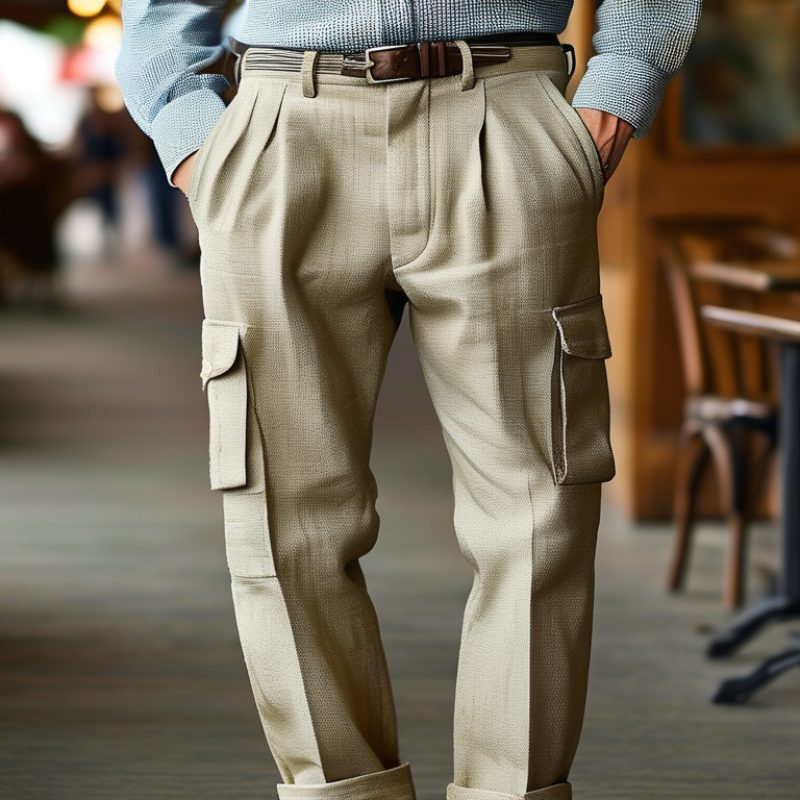
Effective casual pants should make movement feel ordinary, not restricted. In my experience, a moderate rise supports the waist without pressing the stomach. A straight or gently tapered leg works across errands, lunches, and relaxed office settings. Excessively slim cuts can limit walking and sitting. That detail is easy to overlook.
Fabric matters as much as shape. Cotton blends with a small amount of stretch usually recover well after repeated bending. Breathable weaves feel better in warm weather, while a medium-weight fabric offers more structure. Check the surface under bright light. Thin areas near the knees may show early wear. Softness alone is not enough. Durability counts.
Construction reveals practical quality. Look for secure belt loops, smooth seams, and a waistband that stays flat when seated. Deep front pockets should hold keys without pulling the fabric sideways. Back pockets need firm stitching, especially if they carry a wallet. I once chose trousers with attractive pockets that barely held a phone. They looked useful but were not. That mistake changed how I assess everyday clothing.
The hem should finish near the shoe without pooling heavily. A little break is usually easier to maintain than a sharp, cropped edge. Neutral colors can increase wear frequency, but personal comfort still decides the best pair. Try sitting, climbing stairs, and reaching forward before buying. A fitting-room mirror shows appearance; movement shows performance.
Fabric moisture regain indicates how much moisture a textile fiber typically absorbs under standard conditions. Cotton, linen, and wool absorb more moisture than polyester, which can support a cooler and more comfortable feel. For everyday casual pants, a balanced cotton or cotton-blend fabric often provides a practical combination of comfort, breathability, durability, and easier care.
Straight-leg jeans remain dependable with sneakers and a loose shirt. They offer structure without feeling restrictive. Chinos look cleaner, especially for casual offices or weekend dinners. Their lighter cotton weave can feel cooler, but wrinkles appear quickly.
Cargo pants provide useful pockets and a practical shape. However, excessive pocket volume may overwhelm a shorter frame. Joggers suit travel and errands, though thin fabric can look too athletic outside the home.
The 2024 State of Fashion report identifies casual and sports-inspired clothing as persistent market forces. A separate global denim market analysis estimated denim revenue at more than 70 billion dollars in 2023. These figures show demand, not universal fit. I once chose soft joggers for a long day and regretted the loose knees by evening. Small details matter: reinforced seams, a stable waistband, and pockets that do not sag. Wide-leg trousers can improve airflow, but their hem needs careful length control. My preference is a medium-weight straight or relaxed fit, adjusted for climate and commuting. There is no perfect pair.
What Pants Are Best for Casual Wear?
Choosing Fabrics for Comfort, Durability, and Season
The best casual pants balance softness, strength, and climate control. Fabric weight matters as much as fiber content. Lightweight cotton poplin feels airy in summer, while cotton twill offers better abrasion resistance for daily commuting. Linen releases heat quickly, but it wrinkles easily and may wear faster at the knees. That is not always a defect. A relaxed, lived-in texture can suit casual clothing.
According to Textile Exchange’s Materials Market Report 2024, polyester represented about 57% of global fiber production in 2023. Its strength and quick-drying performance explain its popularity. However, polyester can feel warm and hold odors during humid weather. A cotton-polyester blend often provides a practical compromise. For colder months, wool-blend trousers add insulation without excessive bulk. Check the fabric’s weight, stretch recovery, and seam construction. A soft waistband is useful, but weak stitching ruins comfort quickly.
Tips: Choose linen or lightweight cotton below 25°C. Try midweight twill for changing weather. Look for two-way stretch, not unlimited stretch. Wash less often when possible. WRAP’s Valuing Our Clothes report found that extending clothing life by nine months can reduce carbon, water, and waste footprints by roughly 20–30%. I still find some “durable” fabrics uncomfortable after long sitting. Personal movement matters. Test pants on stairs, in a chair, and during a full day before deciding.
| Fabric Type | Typical Weight | Comfort & Breathability | Durability | Best Seasons | Wrinkle Resistance | Moisture Handling | Care Considerations | Best Casual Uses |
|---|---|---|---|---|---|---|---|---|
| Cotton Twill | Medium to heavy |
★★★★☆
4/5 Softens with wear and allows moderate airflow. |
★★★★☆
4/5 Strong diagonal weave handles frequent everyday use. |
Spring, autumn, and mild winter | ★★★☆☆ 3/5 | Absorbs perspiration but dries more slowly than synthetics. | Usually machine washable; may shrink if exposed to high heat. | Chinos, utility trousers, and everyday work-to-weekend pants. |
| Denim | Medium to very heavy |
★★★☆☆
3/5 Comfortable after breaking in, but heavier and less airy. |
★★★★★
5/5 Dense construction provides excellent abrasion resistance. |
Autumn, winter, and cool spring | ★★★☆☆ 3/5 | Absorbs moisture and can feel damp during hot, humid weather. | Wash less frequently when possible; turn inside out and avoid excessive heat. | Jeans, rugged casual outfits, and outdoor leisurewear. |
| Linen | Light to medium |
★★★★★
5/5 Highly breathable with a naturally cool, airy hand. |
★★★☆☆
3/5 Strong fiber, but creasing and abrasion can affect appearance. |
Late spring and summer | ★☆☆☆☆ 1/5 | Absorbs moisture and releases heat effectively in warm conditions. | Air-dry or tumble-dry on low; remove promptly to reduce creasing. | Summer trousers, relaxed drawstring pants, and resort-casual outfits. |
| Linen-Cotton Blend | Light to medium |
★★★★☆
4/5 Retains linen's airflow with a softer, more stable feel. |
★★★☆☆ 3/5 | Spring and summer | ★★☆☆☆ 2/5 | Breathable and absorbent, with somewhat easier drying than pure cotton. | Use low to medium heat; some blends may shrink or lose shape at high heat. | Smart-casual summer pants and lightweight travel trousers. |
| Wool Blend | Medium to heavy |
★★★★☆
4/5 Helps regulate temperature and provides soft insulation. |
★★★★☆ 4/5 | Autumn and winter | ★★★★☆ 4/5 | Manages vapor well and can resist light odors, but is not quick-drying. | Follow the care label; airing and professional cleaning may be preferable. | Cold-weather trousers, office-casual looks, and refined weekend wear. |
| Corduroy | Medium to heavy |
★★★☆☆
3/5 Soft and warm, though the raised texture can feel heavier. |
★★★★☆ 4/5 | Autumn and winter | ★★★☆☆ 3/5 | Absorbs moisture but retains warmth and dries relatively slowly. | Wash inside out on a gentle cycle; avoid high heat and excessive brushing. | Cold-weather casual pants, weekend outfits, and vintage-inspired styling. |
| Cotton-Polyester Blend | Light to medium |
★★★☆☆
3/5 Comfortable for daily wear, with less natural softness than pure cotton. |
★★★★☆ 4/5 | Most seasons | ★★★★☆ 4/5 | Dries faster than cotton, although it may feel less breathable in heat. | Easy-care and generally suitable for machine washing; use moderate heat. | Travel pants, uniforms, commuting, and low-maintenance daily wear. |
| Nylon or Nylon Blend | Light to medium |
★★★☆☆
3/5 Lightweight and flexible, but ventilation depends on the fabric construction. |
★★★★☆ 4/5 | Spring, summer, and active outdoor use | ★★★★★ 5/5 | Low absorbency allows quick drying, but moisture can remain on the skin. | Wash cool and avoid high heat, which can damage fibers or finishes. | Travel trousers, hiking-inspired pants, and lightweight active casualwear. |
| Stretch Cotton Blend | Light to medium |
★★★★☆
4/5 Added stretch improves mobility and sitting comfort. |
★★★☆☆
3/5 Comfortable, but elastane can gradually lose recovery with heat and age. |
Most seasons | ★★★☆☆ 3/5 | Performance depends on the cotton-to-stretch-fiber ratio. | Use cool washing and low heat; avoid prolonged exposure to high temperatures. | Everyday chinos, slim casual trousers, and commuting pants. |
Ratings are general comparisons for commonly used pants fabrics. Actual comfort, durability, and moisture performance can vary with fiber quality, weave, fabric weight, finishing, and garment construction.
Selecting pants begins with body proportions, not fashion rules. In fitting sessions, I check the waistband, rise, seat, and knee position. A pear-shaped body often benefits from a structured waistband and a straighter leg. A broader upper body may look balanced in relaxed or gently tapered cuts. Shorter torsos can feel better with a moderate rise, while longer torsos may need extra rise support. Fit comes first. However, these are starting points, not permanent rules.
Climate changes the fabric decision. In humid weather, lightweight cotton blends or linen-rich fabric can reduce the heavy, sticky feeling. For cooler conditions, denser twill or brushed fabric provides more warmth without excessive layering. Textile Exchange’s Materials Market Report 2024 estimates that global fiber production reached 124 million tonnes in 2023. Polyester represented about 57 percent. That figure matters because fiber choice affects drying speed, breathability, and environmental pressure. I still question my own preference for synthetic stretch. It performs well, but comfort is not the only measure.
Activities should shape construction. The Outdoor Industry Association’s 2024 Outdoor Participation Trends Report recorded 175.8 million U.S. outdoor participants in 2023. Commuters need flexible knees and secure pockets. Light hikers may prefer abrasion-resistant fabric and a gusseted crotch. For cycling, a narrower hem prevents snagging.
Try sitting, climbing stairs, and carrying keys before buying. A mirror can mislead. Your movement tells more.
The best casual pants should feel comfortable and work with several tops. Straight-leg cotton trousers offer a clean shape without feeling formal. Relaxed denim brings durability and an easy weekend mood. Lightweight linen-blend pants feel cooler in warm weather, although they can wrinkle quickly. Choose neutral shades such as navy, beige, charcoal, or olive. These colors make outfit planning much simpler.
Tips: Check the fit while sitting and walking. The waistband should stay secure without pressing your stomach. Keep trouser hems near the top of your shoes. Pair relaxed pants with a fitted shirt to maintain balance. Add a light overshirt when temperatures change.
Use one pair across different settings. Wear cotton trousers with a tucked shirt and simple leather shoes for a polished casual outfit. Combine them with a plain T-shirt and clean sneakers for a softer appearance. Denim works well with knitwear, casual shirts, and lightweight jackets. Texture also matters. A smooth shirt can sharpen textured pants, while a soft sweater creates a quieter look. I once bought trousers that looked excellent in a fitting room but felt restrictive after an hour. That mistake taught me to test movement, not just appearance. Some styling advice sounds certain, but personal comfort still deserves attention. Wash pants according to their care labels, and inspect the seams before buying. Better construction usually supports longer, more reliable wear.
: Straight-leg jeans offer reliable structure and pair well with sneakers and loose shirts. A medium-weight relaxed fit often balances comfort and appearance.
Yes. Chinos look cleaner than many jeans but remain comfortable. Their lighter fabric feels cool. It can wrinkle quickly.
Cargo pants provide useful storage for keys, cards, and small tools. Choose moderate pockets. Oversized pockets may overwhelm a shorter frame.
Joggers suit travel, errands, and relaxed days at home. Choose thicker fabric with stable knees and a firm waistband. Thin joggers can look overly athletic outdoors.
Lightweight cotton, linen-rich fabric, and breathable blends can reduce sticky discomfort. Linen wrinkles easily. That relaxed texture may still look appropriate.
Midweight cotton twill handles changing temperatures and regular movement. A cotton blend may dry faster. Synthetic fibers can feel warm or hold odors in humidity.
Check the waistband, rise, seat, and knee position before judging the style. A straighter leg can support fuller hips. Relaxed or gently tapered cuts may balance broader upper bodies.
Look for flexible knees, secure pockets, reinforced seams, and a stable waistband. Cyclists may prefer narrower hems. Light hikers often need abrasion-resistant fabric and a gusseted crotch.
Sit down, climb stairs, and carry keys in the pockets. Check whether the waistband digs in or the pockets sag. A mirror can mislead. Movement reveals more.
Choosing what pants are best for casual wear depends on comfort, versatility, and the activities you enjoy. Effective casual pants should allow easy movement, fit comfortably at the waist and hips, and offer enough durability for regular use. Popular choices include jeans, chinos, cargo pants, joggers, and relaxed trousers, each providing a different balance of structure and ease. Denim can create a timeless everyday look, while chinos offer a cleaner appearance, and joggers provide maximum flexibility for relaxed activities.
Fabric selection is also important. Lightweight cotton and linen work well in warm weather, while heavier cotton blends or brushed fabrics provide warmth in cooler seasons. Consider your body shape, local climate, and daily routine when choosing a fit and material. To create versatile outfits, pair neutral-colored pants with simple T-shirts, casual shirts, sweaters, or lightweight jackets. By focusing on comfort, practical features, suitable proportions, and easy coordination, you can build a reliable casual wardrobe for many occasions.

JALSÉRA Fashion