Why Are Hoodies Perfect for Casual Everyday Outfits?

Time:2026-11-04 Author:Sienna
0%

A hoodie can make casual dressing feel deliberate without making it complicated. Cotton Incorporated’s Lifestyle Monitor™ survey program tracks consumer attitudes toward clothing, including comfort and fabric preferences. Its research offers useful context, though it does not prove that every hoodie suits every outfit. Fit still matters. A bulky sweatshirt can overwhelm slim trousers, while a clean, midweight hoodie often sits neatly beneath a denim jacket. Small choices count: a tidy neckline, sleeves that stop near the wrist, and sneakers without muddy soles. Comfort matters.

Fashion designer Coco Chanel is often credited with saying, “Luxury must be comfortable, otherwise it is not luxury.” That idea helps explain why hoodies remain useful beyond the sofa: softness and ease can work alongside thoughtful styling. For anyone wondering how to dress casually with hoodies, start with familiar pieces—a charcoal hoodie, straight-leg jeans, and simple shoes. Add a structured coat when the weather turns cold. Keep it simple. Still, a hoodie is not a shortcut to looking polished; worn-out fabric or an awkward fit can make an outfit feel careless. Not every time. Style also depends on personal taste, climate, and occasion, so these combinations are starting points, not rules. A little trial and error is part of finding what feels like you.
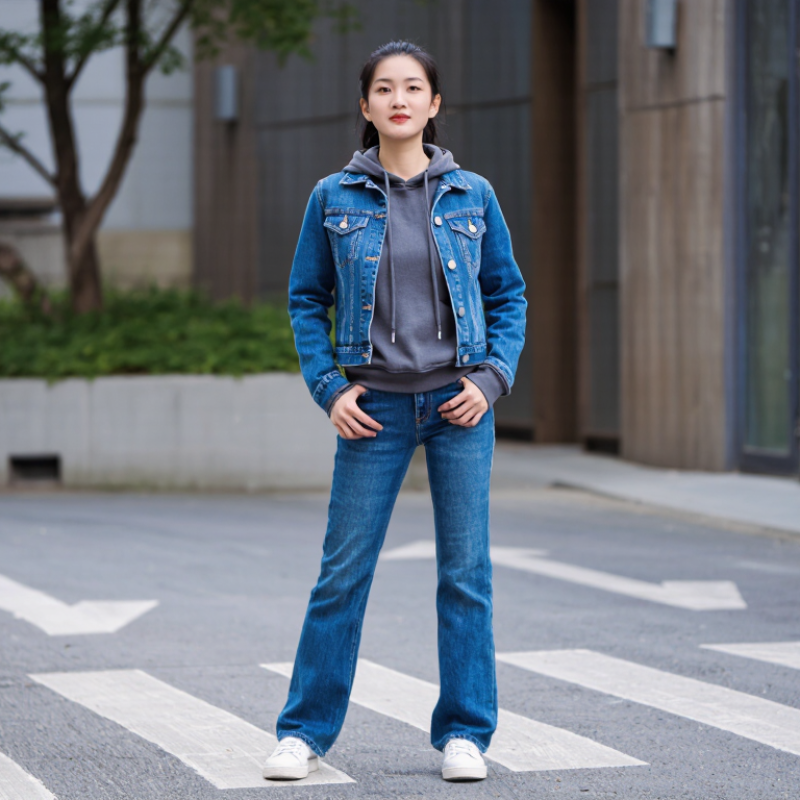
Why Are Hoodies Perfect for Casual Everyday Outfits?

What Defines a Hoodie as Everyday Casual Wear?

A hoodie earns its place in everyday casual wear through comfort, ease, and versatility—not just its relaxed shape. A soft, breathable fabric, a roomy cut, and a hood that sits comfortably under a jacket make it useful for ordinary routines. Think of a cool walk, a crowded bus, or a chilly office. The ribbed cuffs help keep sleeves in place, while a front pocket offers a practical spot for cold hands. Small details matter.

Market data offers context, but not a definition. Grand View Research estimated the global hoodie market at US$198.92 billion in 2023, showing the garment’s substantial reach. Market size alone cannot prove that every hoodie is comfortable or suitable for daily wear. A thick fleece style may feel too warm indoors; a loose fit can snag on a bag strap. That is the slightly awkward part: casual does not always mean effortless. A hoodie works best when its fabric suits the weather, its fit allows easy movement, and its care instructions fit real routines. A little personal trial helps.

How Hoodie Fabrics and Construction Support Comfort

A hoodie feels comfortable when its fabric suits the weather and the way you move. Cotton often feels soft against the skin, while a cotton-polyester blend may dry faster and hold its shape after repeated washing. Brushed fleece traps warmth with its fuzzy inner surface; French terry, with small loops inside, usually feels lighter and less insulating. Soft, but not weightless. On a cool walk, fleece can feel just right. In a warm room, the same fabric may become stuffy.

Construction matters too. Flat, even seams are less likely to rub under a backpack strap, and ribbed cuffs help sleeves stay in place without feeling overly tight. A roomy hood should sit comfortably without pulling hard at the neckline. Look at the stitching around pocket edges and shoulder seams; these areas handle frequent stretching and use. Small details help. Still, a thick fabric or reinforced seam does not guarantee comfort for everyone. Fit, skin sensitivity, and personal warmth all matter, so a hoodie that feels cozy in a shop may feel different after an hour outdoors.

Why Are Hoodies Perfect for Casual Everyday Outfits? — How Hoodie Fabrics and Construction Support Comfort
Fabric or Construction Feature Typical Characteristics How It Supports Comfort Everyday Outfit Benefit
Cotton French terry Looped yarns on the inside and a smooth outer face; commonly used in midweight casual sweatshirts. The looped interior feels soft while the knit structure allows some air movement. A comfortable option for mild weather, indoor wear, and layering.
Cotton fleece Brushed inner surface that creates a soft, raised nap; often selected for warmer sweatshirts. The fuzzy interior traps pockets of air, helping the garment feel warmer against the skin. Useful for cool days and relaxed outfits when extra warmth is welcome.
Cotton–polyester blend A blend combines cotton with synthetic polyester; the exact proportions vary by garment. Cotton contributes a familiar soft feel, while polyester can help the fabric retain its shape and dry faster than comparable all-cotton fabric. A practical choice for frequent wear and care, depending on the blend and fabric construction.
Midweight knit fabric Fabric weight is commonly described in grams per square metre (GSM). Hoodie fabrics vary widely; roughly 250–350 GSM is a common midweight range. A midweight knit can balance coverage and warmth without feeling as heavy as many heavyweight options. Versatile across casual settings and easy to wear over a T-shirt.
Rib-knit cuffs and hem Stretchy ribbed bands are commonly sewn onto sleeve ends and the lower edge. The stretch helps the edges sit close to the body and move with the wearer. Helps keep sleeves and the hem in place during everyday movement.
Roomy cut and set-in or raglan sleeves Hoodies may use a relaxed body and different sleeve seams; raglan sleeves extend toward the neckline. Extra ease can make layering more comfortable, while sleeve shape affects how the garment moves across the shoulders. Supports an easy, informal fit suitable for errands, travel, and lounging.
Drawstring hood A fabric hood with an adjustable cord is a common hoodie feature. The hood can be adjusted for a closer fit or left loose, offering optional coverage. Adds practical flexibility and contributes to the familiar casual look.
Note: Fabric weight, fiber content, fit, and care performance vary by garment. GSM ranges are general examples, not a standard specification for every hoodie.

How Hoodies Adapt to Different Casual Outfits

A hoodie can shift from relaxed to intentional with a few changes around it. For a quiet weekend, wear a midweight cotton hoodie with straight-leg jeans and clean sneakers. Let the hem sit near the waistband, rather than bunching over the hips. Small details matter. A visible T-shirt collar adds contrast, while sleeves pushed slightly above the wrists make the outfit feel less bulky. On cool mornings, a light jacket over the hoodie adds warmth without needing a heavy coat. Check that the hood lies flat beneath the collar; a twisted hood can make even a simple outfit look untidy.

For a slightly smarter casual look, choose a plain hoodie in a muted color and pair it with tailored trousers or dark denim. A structured overshirt can sharpen the outline, especially when its hem falls below the hoodie. Keep the shoes simple, and avoid piling on thick layers if the fabric is already substantial. Comfort is useful, but proportion still counts. I sometimes find that a roomy hoodie overwhelms slim trousers, so I adjust the fit rather than forcing the combination. For errands, a zip-up hoodie works well over a T-shirt because it can be opened indoors. There is no perfect formula; weather, fabric weight, and how the garment sits on your shoulders all change the result.

Practical Features That Make Hoodies Easy to Wear

A hoodie is easy to wear because it adds warmth without requiring much planning. Soft fabric feels comfortable on a cool walk, while a hood offers quick cover when light rain starts. It will not replace a proper raincoat, but it can help with a brief drizzle. The relaxed shape also leaves room for a T-shirt underneath.

A roomy front pocket keeps cold hands warm and small essentials close. It can hold a transit card or phone, though overloaded pockets may sag. Ribbed cuffs help sleeves stay in place when you reach for a cup or carry groceries. A drawcord lets you adjust the hood, but loose cords can get in the way. Small trade-offs matter.

Fabric weight changes how a hoodie works through the day. A lighter cotton blend suits mild weather and indoor wear; a thicker fleece feels warmer on chilly mornings. Check the care label, since some fabrics may shrink or lose softness with rough washing. Fit matters, too: shoulders that are too tight restrict movement, while an oversized cut may bunch under a jacket. For a quick errand, jeans and sneakers are often enough. No careful styling required.

Choosing a Hoodie for Fit, Weather, and Personal Style

A hoodie works best when its fit suits both your body and your plans. For a clean everyday shape, look for shoulder seams that sit near your shoulders and sleeves that reach your wrists without covering your hands. A relaxed cut leaves room for a T-shirt underneath; an oversized one can feel bulky beneath a coat. Cotton Incorporated’s 2023 Global Lifestyle Monitor survey found that 83% of U.S. consumers considered comfort important when buying clothes. That makes softness useful, but comfort also depends on movement. Raise your arms, sit down, and check whether the hem rides up. Small test. A mirror cannot tell you everything.

Weather changes the ideal fabric and layering plan. On a mild day, a midweight fleece hoodie may be enough; in wind or light rain, wear it under a shell rather than expecting it to block the elements. Check the fabric label and care instructions, since some blends dry faster or hold their shape better than others. Personal style can come through in simple details: a plain neutral hoodie pairs easily with jeans, while a textured knit or muted color adds interest without feeling loud. I still sometimes choose a thick hoodie for a sunny afternoon and regret it by noon. The practical choice is the one that fits the forecast, your routine, and how you actually like to dress.

FAQS

What makes a hoodie suitable for everyday casual wear?

Comfort, easy movement, and useful details matter. A soft fabric and roomy cut help during walks, bus rides, or cool office hours.

Which hoodie fabric works best in cool weather?

Brushed fleece traps warmth with its fuzzy inner surface. It can feel cozy outdoors, but stuffy in a warm room.

Is French terry warmer than fleece?

French terry usually feels lighter and less insulating. Its small inner loops make it a practical option when heavy warmth is unnecessary.

How do cotton and cotton-polyester blends feel different?

Cotton often feels soft against the skin. A cotton-polyester blend may dry faster and hold its shape after repeated washing.

What construction details should I check?

Look at the seams, shoulder stitching, and pocket edges. These spots handle regular movement and stretching.

Why do ribbed cuffs and a front pocket help?

Ribbed cuffs can keep sleeves in place without feeling too tight. A front pocket gives cold hands somewhere to go.

How should a hoodie fit under a jacket?

Choose a hood that sits comfortably without pulling at the neckline. A bulky hood can feel awkward beneath a jacket.

Does a roomy fit always make a hoodie more comfortable?

Not always. Loose fabric may catch on a bag strap, and comfort varies with fit, skin sensitivity, and personal warmth. That part is easy to misjudge.

Can market size tell me whether a hoodie is comfortable?

No. A large market shows widespread reach, not how a specific hoodie feels after an hour outdoors. Trying it on helps.

Conclusion

Hoodies are a natural choice for casual everyday wear because they combine a relaxed shape with dependable comfort. Soft fabrics, practical construction, and easy layering make them suitable for a range of routines and changing conditions. Details such as a hood, roomy pockets, and flexible cuffs add convenience without making an outfit feel complicated.

Learning how to dress casually with hoodies starts with choosing a fit and fabric that suit the weather and your personal style. A hoodie can pair comfortably with jeans, casual trousers, or other everyday basics, creating looks that feel laid-back yet considered. Whether worn on its own or layered over a simple top, the right hoodie offers an adaptable balance of comfort, function, and individual expression.

Sienna

Sienna

Sienna is a skilled marketing professional with a deep expertise in our company’s core products and services. With a passion for innovation and detail, she plays a pivotal role in crafting insightful blog posts that not only highlight the unique features of our offerings but also provide valuable......