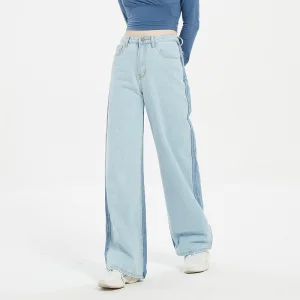
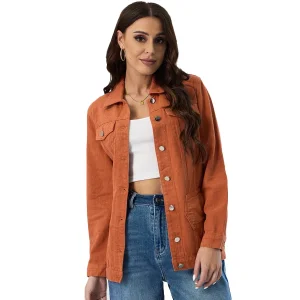
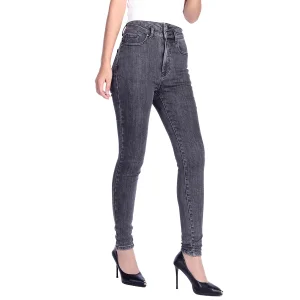
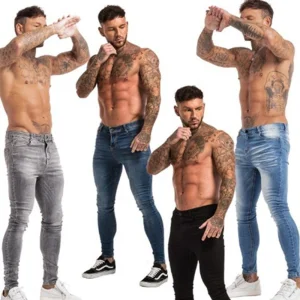
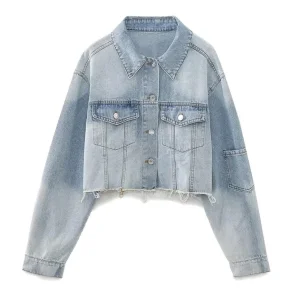
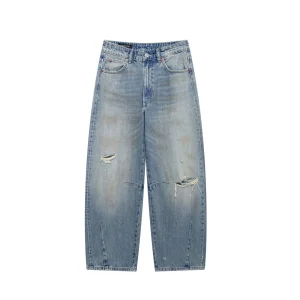
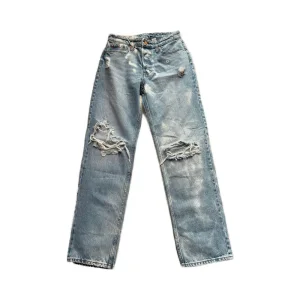
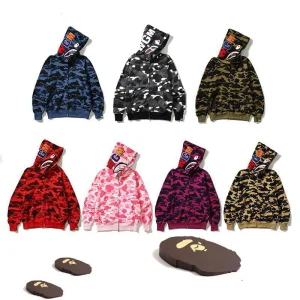
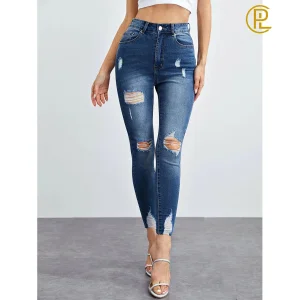
Explore our top-selling custom engineered garments, from vintage heavyweight fleeces to high-durability modern denim jackets and urban outdoor silhouettes built for global supply chains.
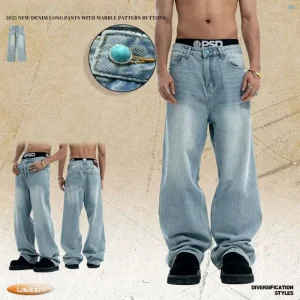
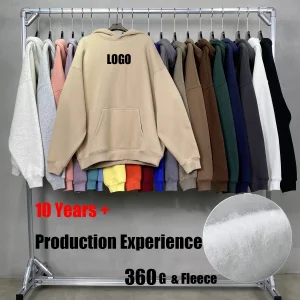
The global demand for high-performance outdoor jackets has undergone a radical transformation. Modern B2B buyers—ranging from specialized high-altitude mountaineering brands to large-scale corporate workwear distributors—are no longer merely purchasing physical merchandise. Instead, they are sourcing advanced material configurations, engineering safety, and supply chain resilience. An outdoor jacket acts as a critical interface between the wearer and harsh, unpredictable environments. Sourcing the right partners from the global network of outdoor jackets factories requires evaluating a manufacturer's material science capability, technical construction machinery, and compliance frameworks.
Historically, technical outerwear manufacturing was concentrated in highly specialized regions. Today, the landscape is dictated by a factory's ability to offer hybrid solutions: micro-layer membranes, heat-sealed seam taping, eco-friendly water repellency, and ethical labor standards. Procurement officers must evaluate factory capacity, dynamic lead times, and the capability to adjust minimum order quantities (MOQs) to mitigate market volatility. In this competitive landscape, the factories that stand out are those capable of combining raw material customization with swift, digitally-optimized prototyping processes.
🔑 Key Information Gain: Successful procurement is no longer driven solely by cost-per-unit metrics. Long-term profitability is determined by the "Total Cost of Quality" (TCQ), which accounts for compliance overheads, return rates of defective seams, and carbon-border adjustment tariffs.
Hangzhou JALSÉRA Fashion Co., Ltd. stands as a premier professional apparel manufacturer in China, boasting over 20 years of technical expertise in the global clothing industry. Strategically located in the textile innovation hub of Hangzhou, JALSÉRA specializes in designing, prototyping, and executing premium garment orders that meet the sophisticated requirements of modern international markets. Our diverse product capabilities span across denim wear, casual lifestyle apparel, high-performance outerwear, and refined knit collections.
By blending technological modernization with deep craftsmanship, JALSÉRA is committed to developing garments that are stylish, durable, and highly functional. We continuously adapt to the shifting paradigms of retail, e-commerce, and corporate supply chains. Unlike traditional rigid factories, we have built agile manufacturing systems that offer flexible solutions, including **extremely low MOQs starting from just 2 pieces** for prototyping and initial testing, rapid sample turnaround times, highly competitive pricing, and dedicated expert support.
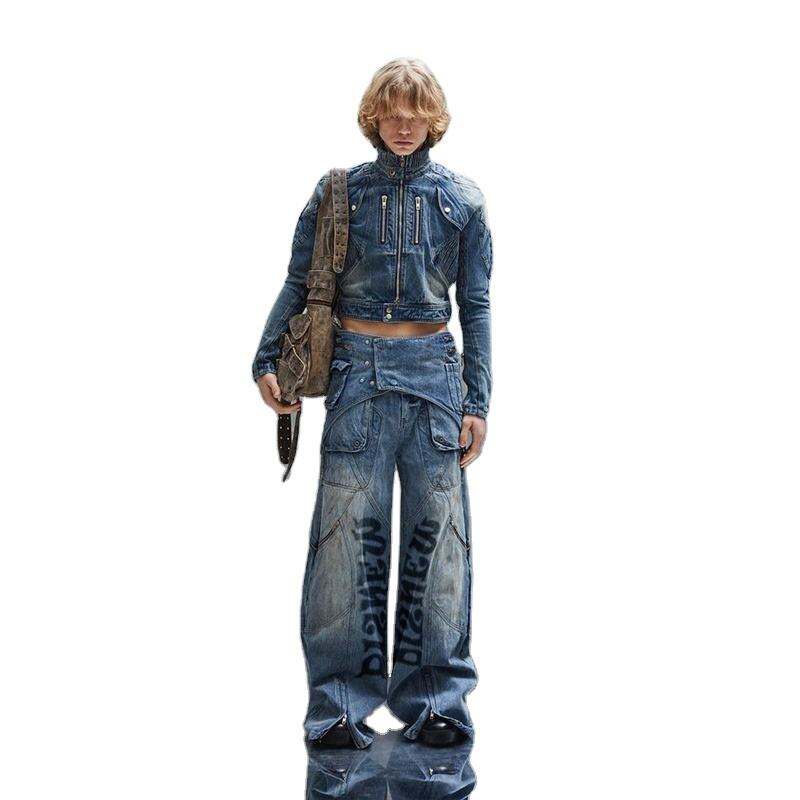
High-altitude, variable climate, and urban performance wear require precise textiles. To engineer jackets that meet strict water-column parameters (e.g., ISO 811 Hydrostatic Head Test > 15,000 mm H2O) and moisture vapor transmission rates (MVTR / ASTM E96 > 10,000 g/m²/24h), outdoor jackets factories utilize a multi-layered fabric stack:
Utilizes high-density Cordura Nylon or Ripstop Polyester treated with environment-friendly C0 Fluorine-free Durable Water Repellent (DWR) coatings that cause water to bead and roll off without toxic runoff.
Integration of Expanded Polytetrafluoroethylene (ePTFE) or Thermoplastic Polyurethane (TPU) monolithic membranes. These feature billions of microscopic pores per square inch, preventing rain drop penetration while permitting hot vapor release.
Fully taped seams using specialized hot-air sealing machinery operating at optimized pressure-temperature profiles. Standard inclusions of waterproof YKK AquaGuard® zippers and adjustable cohort cinches.
In addition to performance metrics, circular economy principles are changing the design blueprint of outdoor apparel. Forward-thinking factories are prioritizing **mono-material designs**—where the shell, membrane, backing, and zippers are all made of polyester. This structure allows the entire garment to be recycled directly at the end of its life cycle, avoiding the complex, energy-intensive process of separating mixed materials like nylon and polyurethane. By implementing mono-material designs, brands can construct a closed-loop supply chain that meets upcoming global regulations on textile waste and enhances their credentials with eco-conscious consumers.
Global supply chains are subjected to continuous disruptions. Below, we examine the primary pain points faced by procurement teams and the corresponding operational strategies utilized by leading Chinese outdoor apparel factories.
Navigating the global landscape of environmental and labor regulations requires close cooperation with fully accredited manufacturing partners. A reputable outdoor jacket factory must support compliance audits across the entire manufacturing journey—from chemical inputs to labor standards.
By working with factories that carry these credentials, international buyers can import finished products into highly regulated jurisdictions—such as the European Union and North America—without risk of customs hold-ups or compliance penalties. These certifications verify that the garments are free from harmful substances like heavy metals, toxic colorants, and perfluorinated chemicals (PFAS), while confirming that the manufacturing facility operates under safe and ethical working conditions.
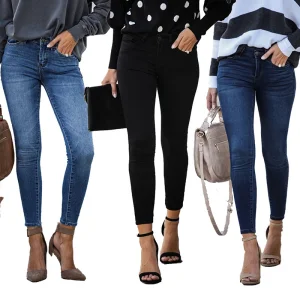
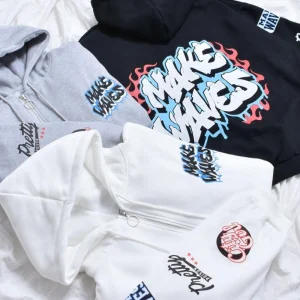
Discover our range of custom denim jackets, casual trousers, and street-ready hoodies designed for international brands and retailers looking for exceptional craftsmanship.
 JALSÉRA Fashion