Premium customized denim, workwear, and casual jackets built to meet global retail standardizations.
A comprehensive study on the technological evolutions, manufacturing capabilities, and macro-supply chain realities shaping tailored shorts production globally.
In contemporary fashion engineering, tailored shorts have transitioned from seasonal, casual novelties into structural masterpieces of semi-formal and active hybrid wear. B2B buyers must recognize that the manufacturing complexity of a premium tailored short matches that of full-length dress trousers. Achieving precise drape characteristics while adjusting for the altered mechanical stresses of shortened leg patterns requires advanced fabric engineering, specialized seam reinforced stitching, and accurate CAD prototyping.
From a structural standpoint, the rise, the waistband curvature, and the pocket anchoring define the product's longevity. Poorly engineered rise lengths result in garment ride-up, whereas low-quality interior interfacing leads to waistband collapse after industrial washing cycles. Leading manufacturers utilize high-density, multi-directional woven textiles, applying specialized heat-setting methods to keep precise creases without compromising the comfort of the wearer.
Hangzhou JALSÉRA Fashion Co., Ltd. is one of the leading professional apparel manufacturers in China, with over 20 years of experience in the clothing industry. We specialize in designing and producing exclusive, trendy garments that meet the ever-changing demands of global markets and evolving consumer lifestyles.
Our product range covers a wide variety of fashion categories, including denim wear, casual apparel, outerwear, and knit collections. With a strong focus on design innovation and quality craftsmanship, we are committed to delivering stylish, comfortable, and durable clothing for modern consumers.
Adapting to new work styles and market dynamics has become a key strength of our team. We offer flexible solutions such as low MOQ starting from just 2 pieces, fast sample development, competitive pricing, and dedicated customer service. These advantages allow us to support emerging brands, wholesalers, and retailers with efficient and reliable production services.
At JALSÉRA, we believe that collaboration and adaptability drive success. Our experienced team works closely with clients to understand their unique needs and provide customized solutions. This approach helps us build long-term partnerships based on trust, consistency, and mutual growth. We are committed to continuous improvement and innovation, striving to deliver value-driven fashion products while facing challenges with resilience and teamwork to create meaningful differences in the industry.
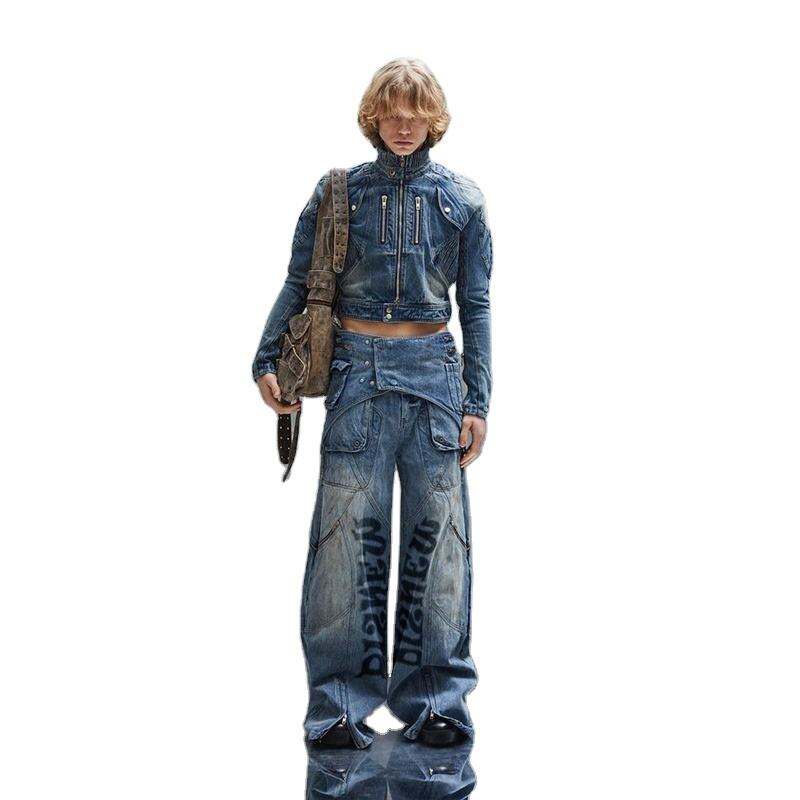
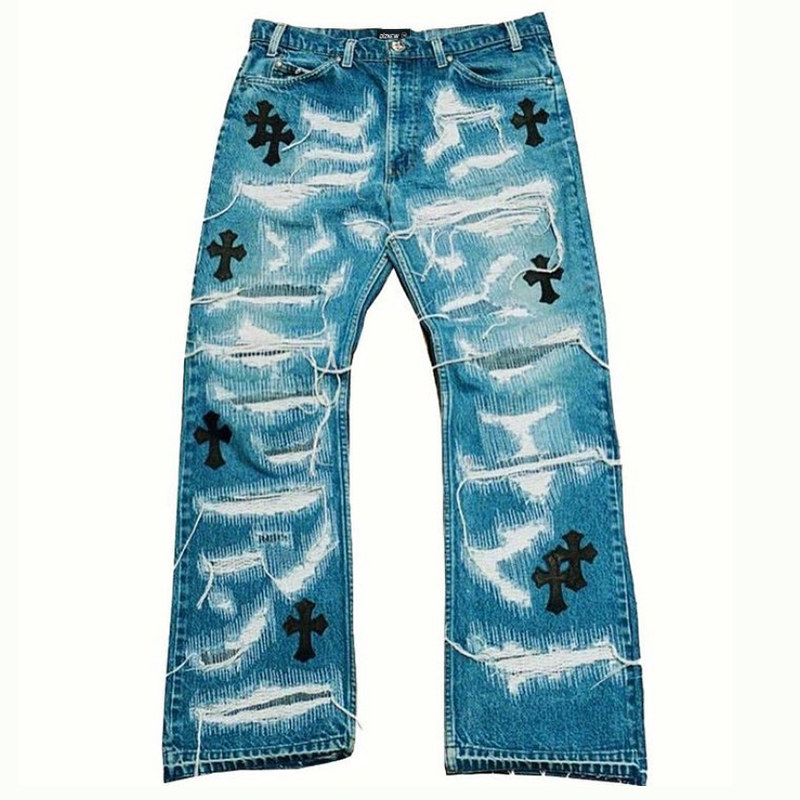
The global apparel landscape is undergoing a digital and physical material science transformation. The technical roadmap for tailored shorts over the next five years focuses heavily on high-performance sustainability and automated manufacturing workflows.
Future factories will rely on automated pocket welting machines and robotic pocket setters. By eliminating human error in complex structural areas, brands secure uniform aesthetic values across high-volume orders. As environmental regulations tighten, the adoption of closed-loop solvent spinning for Tencel-blend shorts is becoming a key requirement for retail placements in the European Union.
China's garment manufacturing sector has evolved from a basic labor assembly system into a high-technology industrial ecosystem. Utilizing Factory 4.0 principles, modern Chinese manufacturers maintain an unmatched competitive edge in lead times, quality control, and vertical integration.
| Technology Integration | Operational Impact | Direct B2B Sourcing Benefit |
|---|---|---|
| IoT-Enabled Cutting Tables | Real-time tracking of fabric ply tension and blade temperature adjustments. | Zero deviation in panel sizing across thousands of production runs. |
| MES (Manufacturing Execution System) | Instant visualization of sewing line efficiency, bottleneck alerts. | Predictable delivery dates; dynamic optimization of lead times. |
| Automated Material Hanger Systems | Mechanized overhead transit lines bringing cut panels to precise sewing stations. | Reduces processing time by 30%, lowering assembly costs. |
| AI Quality Vision Inspectors | High-speed cameras inspecting finished seams for skipped stitches or thread breaks. | Secures 99.8% quality pass rates prior to final third-party AQL checks. |
By having regional supply chains close to fabric mills, dye houses, and button makers in industrial centers like Zhejiang and Guangdong, lead times are significantly reduced. Sourcing hubs can move from sample approval to sea shipping in under 21 days—a cycle that is very difficult to replicate in countries with fragmented supply chains.
Global supply chain managers face challenges with geopolitical shifts, tariff adjustments, and fluctuating consumer demand. Navigating these requires a hybrid sourcing model that balances costs with market speed.
Strategic Inventory Positioning: Instead of stocking fully finished garments in target market warehouses, smart brands keep undyed, unsewn raw fabrics in China. Once retail data points to emerging seasonal color demands, factories run local piece-dyeing, cutting, and sewing workflows. This "postponement strategy" minimizes overstocking risks by over 40% and keeps operational capital fluid.
Moreover, the harmonization of sizing specifications between North American and European markets is handled during the initial CAD pattern setup. Specialized designers adjust back-rise angles and front-hip curves to create fits optimized for regional body silhouettes, ensuring lower return rates for e-commerce retailers.
Modern retail demand is closely tied to supply chain transparency. A manufacturer's social and environmental compliance is just as critical as their cost per unit.
To enter G7 markets without administrative friction, tailored shorts production facilities must comply with rigorous certifications:
Furthermore, clean manufacturing involves utilizing advanced water reclamation plants in industrial dye houses. Modern factories recycle up to 85% of their process water, minimizing the environmental impact in municipal areas. Partnering with certified factories helps protect international brands from regulatory risks and negative consumer press.
Explore our export-ready, high-quality, and customizable apparel range designed for global retail markets.


 JALSÉRA Fashion