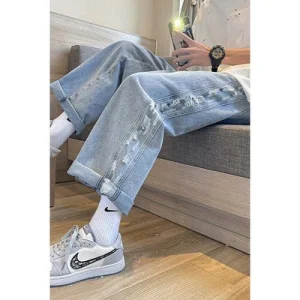
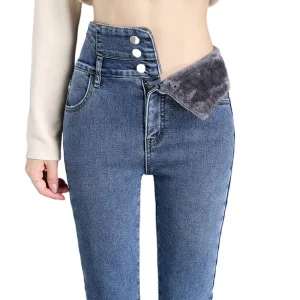
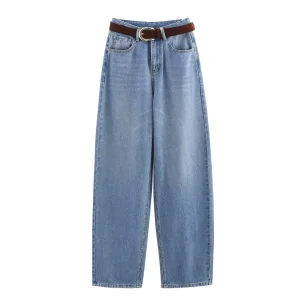
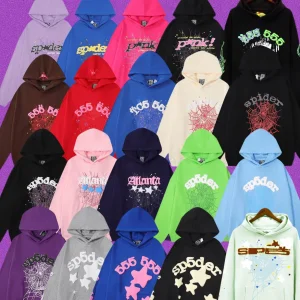
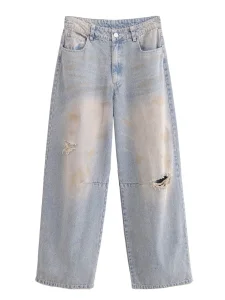
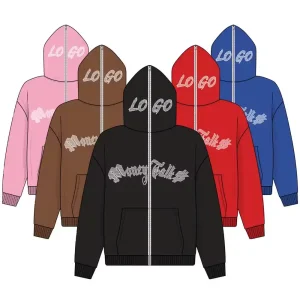
Direct access to our featured custom manufactured items. Engineered for retail brands and global supply chains.
In the era of climate accountability and ESG (Environmental, Social, and Governance) compliance, the humble canvas tote bag has transitioned from a simple carryall to an essential component of the global retail, industrial, and promotional product ecosystem. The shift away from single-use plastics has catalyzed a multi-billion-dollar B2B market for premium, multi-use canvas bags. For corporate buyers, procurement officers, and merchandising directors, finding the right canvas tote bags exporter is no longer just about searching for the lowest unit price; it requires evaluating systemic supply chain security, environmental certifications, and chemical-safe print practices.
Globally, key exporting hubs are centered in areas with highly robust agricultural and manufacturing infrastructure. Exporters from China, India, and Vietnam dominate the market, yet each region presents distinct advantages regarding fabric weave density, printing automation, and shipping transit times. Successful global procurement requires a detailed understanding of material classes—from lightweight 4 oz. promotional cotton to heavy-duty 24 oz. industrial duck canvas—to ensure that final products align with functional requirements and target price points.
From a commercial perspective, canvas tote bag exporters must offer structured logistics matrices. Buyers must navigate import duties, Anti-Dumping Duties (ADD), and standard tariff schedules such as the Harmonized System (HS) Code 4202.92. Navigating these complexities necessitates partnering with experienced manufacturers like Hangzhou JALSÉRA Fashion Co., Ltd., who have spent decades perfecting the export pipeline for high-grade textile products, ensuring seamless customs clearance and compliant deliveries across the Americas, Europe, and Asia-Pacific.
To assist procurement professionals in evaluating potential manufacturing partners, our analysts have developed a comprehensive 10-point audit framework. This checklist moves beyond surface-level quotes, targeting the structural operational indicators that dictate long-term partnership viability, financial stability, and ethical manufacturing:
Hangzhou JALSÉRA Fashion Co., Ltd. is one of the leading professional apparel manufacturers in China, with over 20 years of experience in the clothing industry. We specialize in designing and producing exclusive, trendy garments that meet the ever-changing demands of global markets and evolving consumer lifestyles.
Our product range covers a wide variety of fashion categories, including denim wear, casual apparel, outerwear, and knit collections. With a strong focus on design innovation and quality craftsmanship, we are committed to delivering stylish, comfortable, and durable clothing for modern consumers.
"Adapting to new work styles and market dynamics has become a key strength of our team. We offer flexible solutions such as low MOQ starting from just 2 pieces, fast sample development, competitive pricing, and dedicated customer service."
At JALSÉRA, we believe that collaboration and adaptability drive success. Our experienced team works closely with clients to understand their unique needs and provide customized solutions. This approach helps us build long-term partnerships based on trust, consistency, and mutual growth.
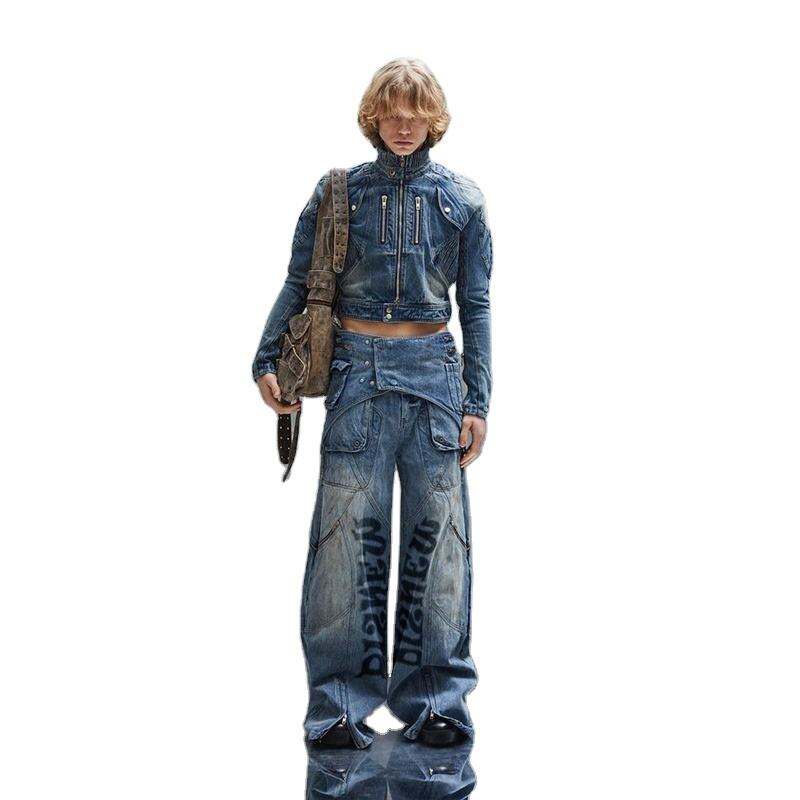
Leveraging our deep textile heritage from apparel manufacturing, JALSÉRA applies precision pattern drafting, high-density stitching, and advanced fabric treatment techniques to our range of custom canvas tote bags. By merging standard textile durability with streetwear design sensibilities, we offer products that are both highly functional and aligned with contemporary fashion trends.
We are committed to continuous improvement and innovation, striving to deliver value-driven fashion products while facing challenges with resilience and teamwork to create meaningful differences in the industry. Whether you are an emerging boutique brand requiring ultra-low custom runs or a large-scale distributor coordinating high-volume container shipments, our manufacturing infrastructure provides the agility, speed, and precision needed to succeed in competitive markets.
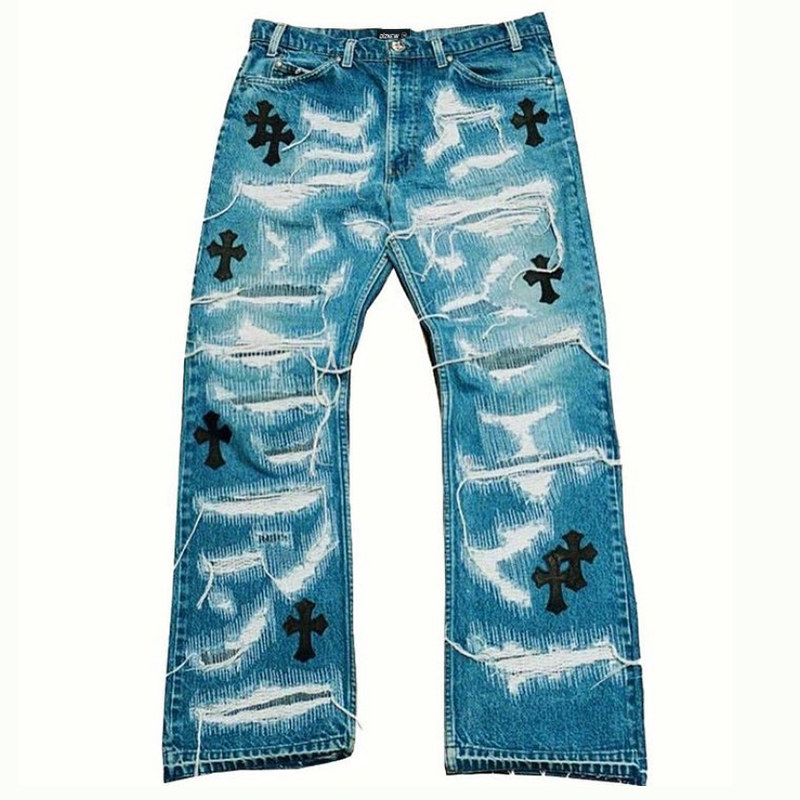
Global demand profiles for canvas tote bags vary significantly by industry sector. Exporters must be capable of tailoring their substrate weights, reinforcement patterns, and finishing styles to meet the operational demands of each specific industry vertical. Below is an overview of how top-tier exporters structure their product solutions for global industries:
High-street fashion retailers and boutique labels require tote bags that serve as walking advertisements. Key requirements include premium thick-weave canvas (12 oz to 16 oz), custom inner pockets, metal snap enclosures, and fashionable print applications like puff print, screen print, and custom wash treatments. JALSÉRA's extensive experience in apparel manufacturing enables us to design bags that complement retail lines, matching streetwear styles like acid washes, vintage distressing, and custom rhinestone applications.
Multinational enterprises launching sustainability campaigns require large quantities of certified organic cotton bags (6 oz to 10 oz). These bags must adhere strictly to environmental regulations and carry certifications such as GOTS or Oeko-Tex. Exporters must provide full chemical and material safety disclosures, ensuring that promotional items align with corporate governance, human rights, and environmental targets.
High-volume grocery sectors require durable, low-cost utility bags (8 oz to 10 oz) with reinforced stitching and wide gussets. These bags must withstand repeated heavy loading, resist tearing, and feature wash-resistant inks to ensure long-term usability. Exporters serving this sector must maintain large production capacities and offer automated line printing to minimize per-unit costs.
Heavy-duty storage applications require thick duck canvas (18 oz to 24 oz) treated with specialized finishes. These bags must resist moisture, mildew, and tearing to protect raw agricultural goods, machinery parts, or bulk commercial merchandise. Exporters must conduct strict load-bearing and tensile strength testing to prevent failure during transport and warehouse operations.
The canvas tote bag manufacturing industry is undergoing a digital and material transformation. Top exporters are investing heavily in automated cutting, smart waste-reduction algorithms, and next-generation sustainable materials to meet modern efficiency and ESG standards.
Exporters are transitioning away from virgin cotton to post-industrial recycled cotton fibers and blends containing bast fibers like hemp and linen. These alternatives require significantly less water and agricultural inputs to cultivate, drastically reducing the overall carbon footprint of the finished product.
To achieve water-resistant and stain-resistant properties without relying on toxic PFAS/PFOA chemicals, manufacturers are integrating bio-based polyurethane and plant-wax coatings. These finishes extend the bag's lifespan in wet conditions while maintaining its biodegradable properties.
The deployment of high-speed industrial digital inkjet printing eliminates the need for screen setup chemicals and reduces water usage by up to 90%. Additionally, AI-driven pattern nesting software minimizes fabric waste during the cutting phase, maximizing material utilization.
Global trade compliance is a critical factor for international buyers. When importing custom textiles, buyers must navigate regional regulations to ensure smooth customs clearance and avoid unexpected delays or penalties.
By partnering with an experienced exporter, buyers can ensure compliance with all necessary regulations. Manufacturers like Hangzhou JALSÉRA Fashion Co., Ltd. maintain clean audit records and coordinate with international testing labs (such as SGS, Intertek, and TÜV Rheinland) to verify material compliance before shipping. This structured approach helps prevent border delays, ensuring smooth delivery to fulfillment centers worldwide.
Direct technical answers to common questions asked by corporate buyers, product developers, and procurement leads.
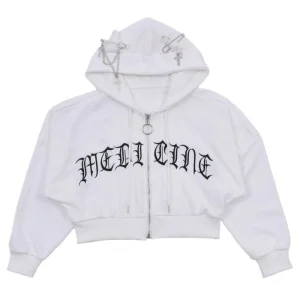
Discover additional textile products and apparel options from our manufacturing facilities.
 JALSÉRA Fashion