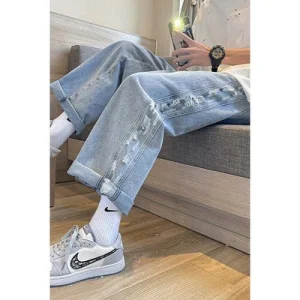
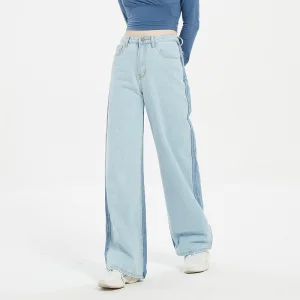
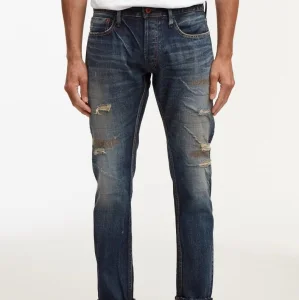
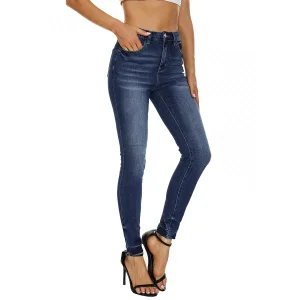
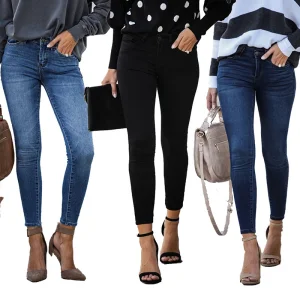
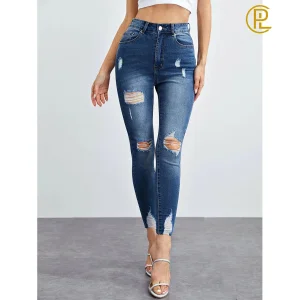
Explore our precision-engineered, high-performance apparel and textile lines manufactured under stringent environmental quality standards.

The international trade landscape for eco-friendly bags, sustainable packaging, and environmentally conscious textiles is undergoing a structural paradigm shift. Driven by rigorous regulatory frameworks—such as the European Union’s Corporate Sustainability Due Diligence Directive (CSDDD), the EU Eco-design for Sustainable Products Regulation (ESPR), and stringent North American state-level plastic bans—global enterprise buyers are radically revising their supply base metrics. Sourcing managers are no longer evaluating prospective manufacturers purely on unit economics; rather, Life Cycle Assessment (LCA) compliance, Scope 1-3 emission traceabilities, and material circularity have become mandatory prerequisites.
As the primary epicenter of advanced textile engineering and circular polymer innovation, China's eco-friendly bag factories and exporters occupy a pivotal role in this transition. Leveraging state-of-the-art closed-loop spinning, recycled polyethylene terephthalate (rPET) extrusion, GOTS-certified organic cotton weaving, and waterless digital printing technologies, leading Chinese manufacturers provide unparalleled industrial scalability. This whitepaper delivers an exhaustive commercial, technological, and strategic procurement blueprint designed for enterprise sourcing directors, sustainability heads, and private-label fashion brands.
Modern enterprise buyers face a complex set of operational friction points when sourcing sustainable bags, promotional packaging, and integrated apparel lines globally. The primary challenge lies in balancing agile minimum order quantities (MOQ), uncompromised structural durability, stringent chemical compliance, and rapid speed-to-market.
Cross-border tariffs, heavy-metal restrictions (REACH, California Proposition 65), and microplastic regulations necessitate verified, certified supply chains. Top Chinese exporters provide end-to-end documentation from polymer sourcing to final stitching.
Traditional multi-thousand unit MOQs lock up working capital and create deadstock risks. Modern eco-factories implement lean manufacturing architectures, supporting micro-batches (e.g., from 2 pieces) to pilot test market demand dynamically.
Replacing single-use virgin plastics with upcycled denim scraps, GOTS organic cotton, heavy-duty canvas, and recycled ocean-bound plastics directly reduces corporate Scope 3 carbon footprints by up to 64% per unit produced.
The eco-friendly bag and sustainable textile export sector in China has evolved beyond simple cotton totes. Today's manufacturing landscape integrates advanced material science, automated cutting technologies, and low-water dyeing procedures. Below is an engineering overview of the primary substrate technologies driving the industry forward:
rPET (Recycled Polyethylene Terephthalate): Sourced from post-consumer water bottles, melted and spun into high-tenacity yarn. Delivers exceptional tensile strength (water-repellent, tear-resistant) suitable for industrial grocery bags and heavy-duty backpacks.
PLA (Polylactic Acid) Non-Woven: 100% bio-degradable polymer derived from fermented plant starch (corn or sugarcane). Completely breaks down into CO2 and water under industrial composting conditions within 180 days.
Organic Cotton & Canvas (GOTS-Certified): Cultivated without synthetic pesticides or genetically modified seeds. Features heavy GSM weights (8oz to 24oz) engineered for premium reusable retail bags and structural lifestyle apparel.
Circular Denim Scraps & Upcycled Knits: Repurposing post-industrial garment cuttings into mechanically respun yarn, eliminating virgin fiber cultivation and diverting landfill waste.
1. Raw Material Audit: Spectrophotometer color matching & GRS/GOTS blockchain certification tracking.
2. Precision Patterning: AI-driven CAD nesting software optimizing fabric utilization rate above 94% to minimize off-cut waste.
3. Eco-Dyeing & Printing: Waterless supercritical CO2 dyeing combined with OEKO-TEX Standard 100 eco-inks (pigment & water-based).
4. Automated Assembly: Ultrasonic welding for non-woven eco-bags; dual-needle reinforced stitching for heavy-duty denim & canvas bags.
5. Quality Assurance: Multi-stage pull testing, seam strength analysis, needle detection, and ISO 9001 final batch inspection.
Hangzhou JALSÉRA Fashion Co., Ltd. is one of the leading professional apparel manufacturers in China, with over 20 years of experience in the clothing industry. We specialize in designing and producing exclusive, trendy garments that meet the ever-changing demands of global markets and evolving consumer lifestyles.
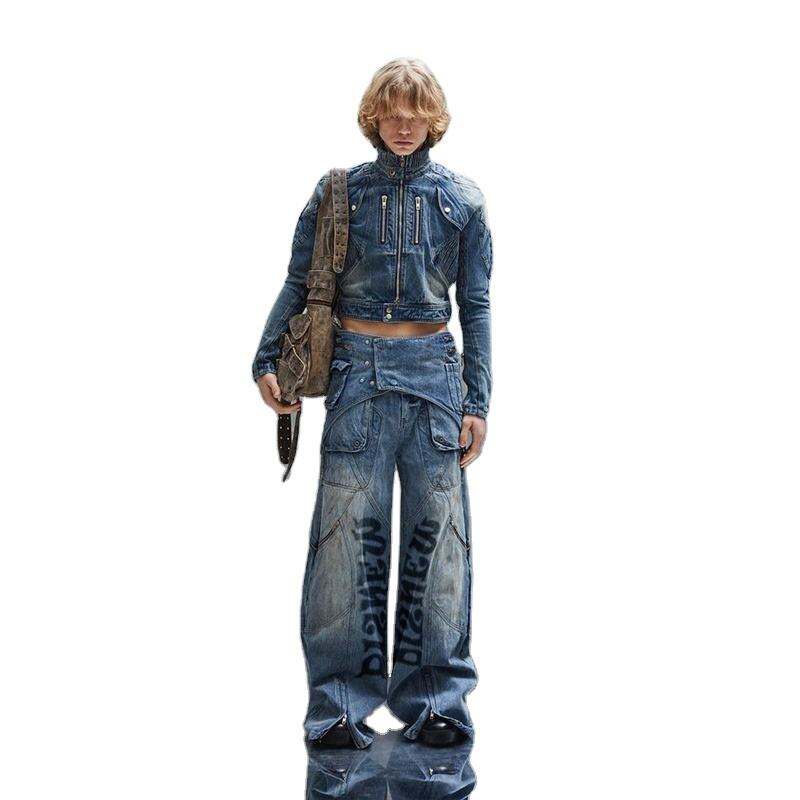
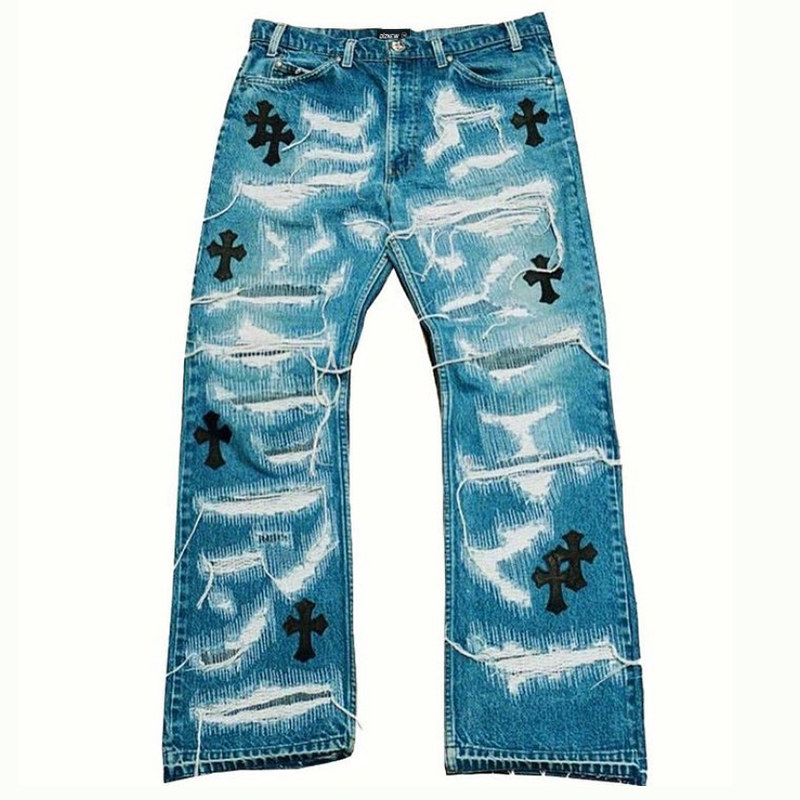
Our product range covers a wide variety of fashion categories, including denim wear, casual apparel, outerwear, and knit collections. With a strong focus on design innovation and quality craftsmanship, we are committed to delivering stylish, comfortable, and durable clothing for modern consumers.
Adapting to new work styles and market dynamics has become a key strength of our team. We offer flexible solutions such as low MOQ starting from just 2 pieces, fast sample development, competitive pricing, and dedicated customer service. These advantages allow us to support emerging brands, wholesalers, and retailers with efficient and reliable production services.
At JALSÉRA, we believe that collaboration and adaptability drive success. Our experienced team works closely with clients to understand their unique needs and provide customized solutions. This approach helps us build long-term partnerships based on trust, consistency, and mutual growth.
We are committed to continuous improvement and innovation, striving to deliver value-driven fashion products while facing challenges with resilience and teamwork to create meaningful differences in the industry.
Industry Excellence & OEM/ODM Mastery
Agile Small-Batch Testing & Rapid Scaling
Accelerated Sample Turnaround Timelines
Full Quality Controls from Fabric to Delivery
Navigating international trade laws requires comprehensive regulatory compliance. Premium Chinese manufacturers partner with international testing authorities (SGS, Intertek, TÜV Rheinland) to ensure all exported goods adhere strictly to local regional standards in North America, Europe, and Asia-Pacific.
Complete verification under GRS (Global Recycled Standard), GOTS (Global Organic Textile Standard), OEKO-TEX Standard 100 Class 1, and FSC (Forest Stewardship Council) for paper/packaging accessories.
Adherence to BSCI (Business Social Compliance Initiative), SEDEX SMETA 4-pillar audits, and ISO 45001 occupational safety, guaranteeing fair labor practices, safe working conditions, and zero child labor.
DDP (Delivered Duty Paid), FOB, and CIF shipping support with automated digital customs filing, optimized container loading, and carbon-neutral freight routing choices.
rPET (recycled PET) is made from post-consumer plastic bottles, offering ultra-high tensile strength, water resistance, and longevity—ideal for heavy shopping or outdoor bags. PLA (Polylactic Acid) is a bio-plastic made from plant starch that biodegrades in industrial composting environments. Organic Cotton is a natural, renewable fiber grown without toxic chemicals, providing maximum softness and premium brand positioning.
JALSÉRA operates an agile production methodology that utilizes stocked eco-certified fabrics and digital pattern cutting. This allows us to accept sample orders and production runs starting from as low as 2 pieces, enabling emerging brands and testing programs to order without committing to heavy inventory risks.
Authentic manufacturers issue Transaction Certificates (TC) for every batch of fabric. Certification systems like GRS (Global Recycled Standard) and GOTS (Global Organic Textile Standard) track raw materials from post-consumer collection or organic farms directly to the final stitched product, guaranteeing zero greenwashing.
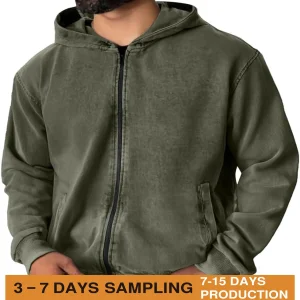
Rapid sample development typically takes 3 to 7 business days depending on design complexity and printing methods (e.g., embroidery, screen printing, heat transfer). Mass production lead times generally range between 15 and 30 days, supported by expedited ocean or air freight DDP options.
Yes. Full OEM/ODM services cover 100% customized accessories, including zippers made from recycled ocean plastic, natural wooden or bamboo buttons, recycled paper hangtags, and biodegradable polybags for individual product packaging.
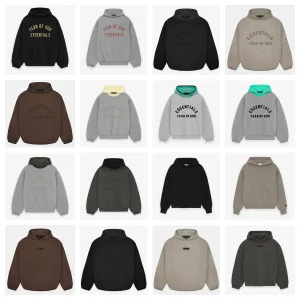
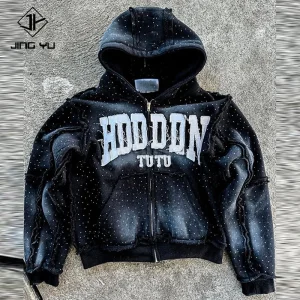
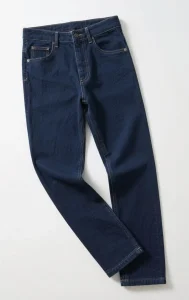
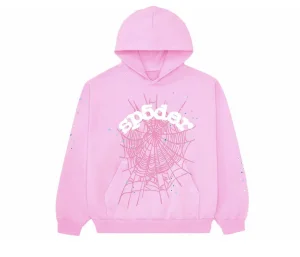
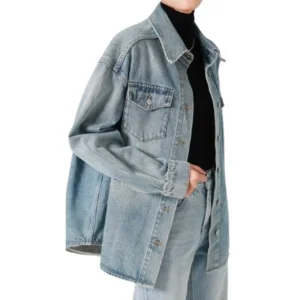
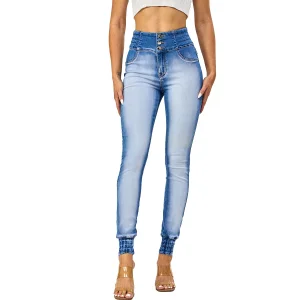
Discover our high-demand streetwear, classic denim, and custom apparel collections built for global export excellence.
 JALSÉRA Fashion