Explore our flagship OEM/ODM production outputs across premium leather apparel, versatile carrywear, and tactical garments tailored for global market leaders.
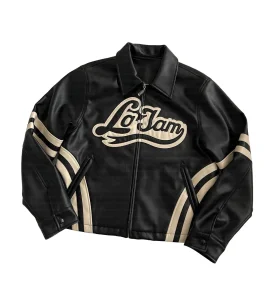
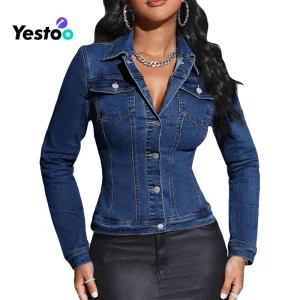
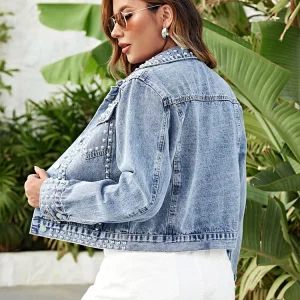
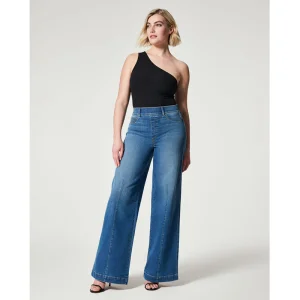
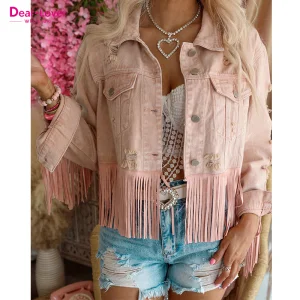
In the contemporary fashion and gear architecture, the global market for crossbody bags has undergone a seismic shift. Driven by modern urban mobility, hybrid work routines, and the rising consumer demand for hands-free utility without compromising aesthetic elegance, crossbody bags have escalated from decorative accessories to high-performance daily gear. Global B2B buyers, procurement executives, and retail brand directors are actively re-evaluating their sourcing frameworks to identify trusted manufacturers capable of delivering structural durability, raw material compliance, flexible Minimum Order Quantities (MOQs), and rapid time-to-market execution.
As consumer expectations shift toward multifunctional accessories—incorporating RFID-blocking linings, weatherproof TPU-coated fabrics, ergonomic weight-distribution straps, and recycled vegan leathers—the technical burden on OEM/ODM manufacturers has intensified. Selecting a tier-one supplier requires looking far beyond standard assembly capabilities. It demands an audit of advanced CAD pattern-making systems, automated edge-painting precision, high-tensile stitching density (SPI 8-10 standards), and transparent supply chain traceability.
Search intent analysis across tier-one retail procurement networks reveals three central pillars governing supplier evaluation: structural integrity, sustainable material sourcing, and operational flexibility. Modern brands no longer accept rigid factory models that mandate massive upfront inventory liabilities. Instead, procurement directors are seeking collaborative partnerships with manufacturers who provide seamless OEM/ODM integration.
From full-grain bovine leather and water-based eco-friendly PU to GRS-certified (Global Recycled Standard) 900D Cordura nylon, modern crossbody bags require diverse material mastery. Top suppliers must guarantee chemical safety standard compliance, ensuring zero AZO dyes, heavy metals, or toxic phthalates under California Proposition 65 and European Union REACH regulations.
A crossbody bag's operational life span is bounded by its hardware components. Enterprise buyers prioritize suppliers utilizing electroplated zinc alloy hardware, salt-spray tested snap hooks, and custom YKK/SBS anti-burst zippers that withstand over 10,000 tension cycles. Reinforced D-ring stress points are vital for long-term user satisfaction.
Positioned at the epicenter of China’s advanced garment and textile innovation hub, Hangzhou JALSÉRA Fashion Co., Ltd. stands as a premier beacon of apparel and accessory manufacturing excellence. With over two decades of dedicated industrial experience, JALSÉRA seamlessly integrates high-end design innovation, precision engineering, and responsive supply chain management.
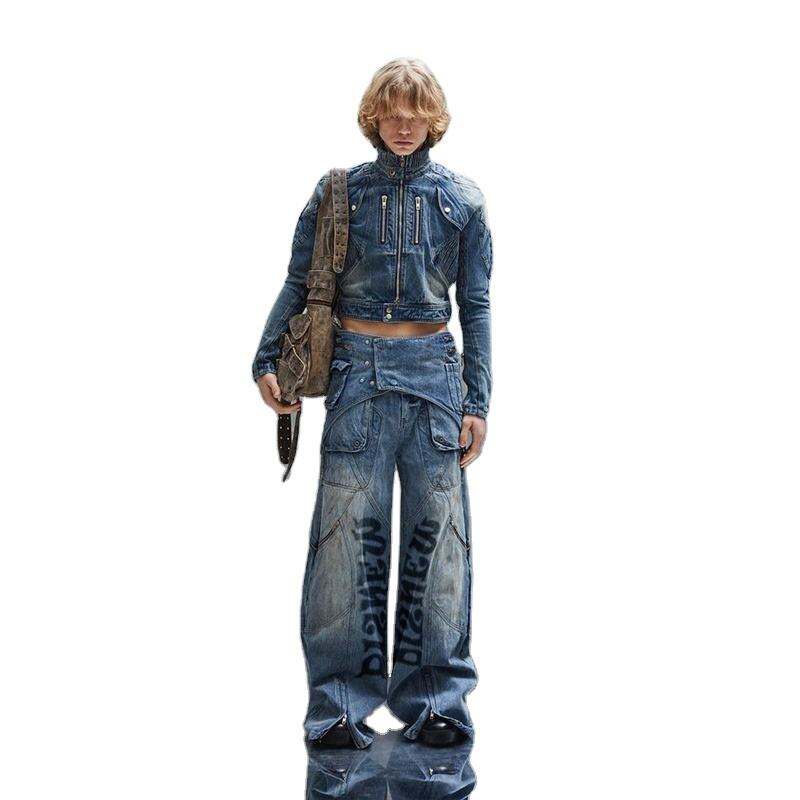
Hangzhou JALSÉRA Fashion Co., Ltd. is one of the leading professional apparel and carrywear manufacturers in China, boasting more than 20 years of expertise in the clothing and fashion accessory industry. We specialize in designing and producing exclusive, trendy items—spanning complex leather wear, functional denim, casual apparel, outerwear, and modern bags—that consistently meet the ever-changing demands of global markets and evolving consumer lifestyles.
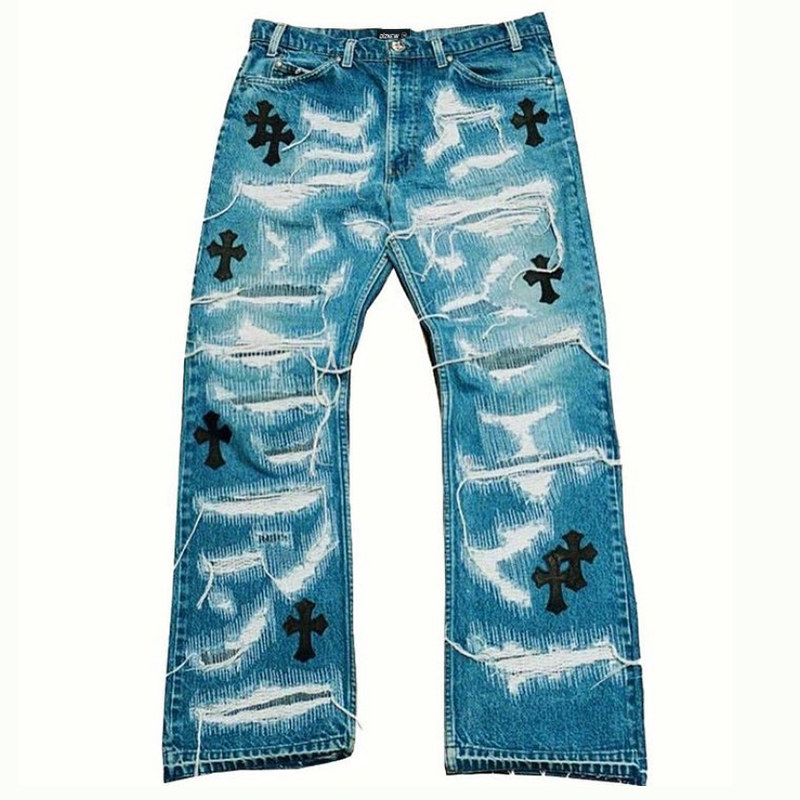
Our product range covers a wide variety of fashion categories, including premium leather jackets, custom denim, casual wear, and engineered accessories. With a dedicated focus on design innovation and quality craftsmanship, JALSÉRA delivers stylish, comfortable, and highly durable goods tailored to modern global lifestyles.
Adapting to dynamic market changes and modern digital retail business models has become a core strength of our operational team. We provide highly flexible manufacturing solutions—including low MOQs starting from just 2 pieces, rapid 48-hour sample turnaround, competitive factory-direct pricing, and dedicated one-on-one technical customer support. These capabilities empower emerging boutique labels, global e-commerce sellers, and enterprise wholesalers alike to scale inventory without financial overhead.
At JALSÉRA, we believe that collaboration and flexibility drive long-term commercial success. Our senior engineering and design teams work side-by-side with brand procurement managers to understand unique product requirements and deliver tailored OEM/ODM solutions. This customer-centric methodology builds enduring partnerships grounded in mutual trust, unyielding product quality, and sustained business growth.
To eliminate consumer returns and elevate brand equity, modern crossbody bag production requires strict adherence to standardized manufacturing metrics. Below is the technical inspection matrix implemented across high-precision production lines.
| Evaluation Domain | Technical Benchmark / Standard | Testing Method & Apparatus | B2B Quality Assurance Target |
|---|---|---|---|
| Stitch Density & Integrity | 8 - 10 SPI (Stitches Per Inch), Bonded Nylon Thread #40/60 | Laser SPI Inspection & High-Tension Pull Gauge | Zero skipped stitches; joint pull resistance > 350 N |
| Hardware Corrosion Resistance | Multi-layer Electroplating with Protective Lacquer Coating | 48-Hour ASTM B117 Neutral Salt Spray Test | Grade 10 rating (Zero oxidation, rust, or surface flaking) |
| Strap Load Bearing Strength | Reinforced Box-X Stitching & Riveted Stress Anchor Points | Dynamic Load Drop Test (15kg weight / 5,000 drops) | Zero webbing slippage, seam tearing, or buckle distortion |
| Leather Edge Painting Finish | 3-Pass Italian Polymer Edge Oil Application with Thermal Buffing | Cold-Crack Resistance (-20°C) & Flexural Endurance Test | Zero edge peeling, cracking, or color transference |
| Zipper Fatigue Endurance | High-Density Metal/Nylon Reverse Coiled Slider Mechanism | Continuous Reciprocating Tensile Tester (10,000 cycles) | Smooth opening torque < 2.5 N; zero tooth misalignment |
| Eco & Chemical Compliance | Zero Heavy Metals, Phthalates < 0.1%, Formaldehyde Free | GC-MS & ICP-OES Laboratory Spectrometry Analysis | 100% REACH, RoHS & California Prop 65 Compliance |
Utilizing automated Gerber laser cutters and AI-assisted nesting software reduces leather raw material wastage by 18%, translating directly into cost savings for B2B buyers while maintaining exact piece uniformity.
With integrated modular production lines, manufacturers can rapidly shift from micro-batch orders (2 to 50 units) to mass industrial runs (100,000+ units) without disrupting active factory schedules.
Factory floors audited against BSCI, Sedex SMETA 4-Pillar, and ISO 9001:2015 guarantee ethical labor practices, safe working conditions, and complete manufacturing transparency.
Understanding regional consumer preferences allows procurement officers to tailor custom OEM specifications to specific geographical markets.
Primary Demographics: North America & Western Europe (Metropolitan Professionals)
Design Requirements: Minimalist aesthetic, tablet-compatible padded compartments (11-inch IPad Pro capacity), quick-release magnetic Fidlock buckles, water-resistant taped zippers, and hidden anti-theft passport pockets. Materials lean toward matte ballistic nylon, micro-fiber leather accents, and weather-proof TPU laminates.
Primary Demographics: Global Boutique Brands & Luxury Department Stores
Design Requirements: Vegetable-tanned Italian leather, hand-burnished edges, custom engraved brass hardware, and plush suede linings. Product longevity, rich patina development over time, and artisanal saddle stitching (SPI 10) are mandatory parameters.
Clear answers to essential technical, legal, and operational questions for global bag and apparel buyers.
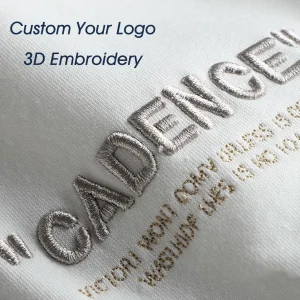
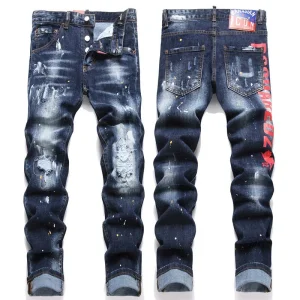
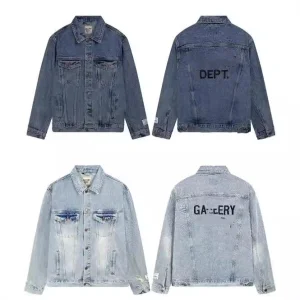
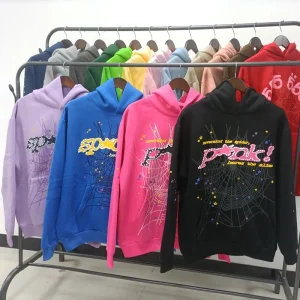
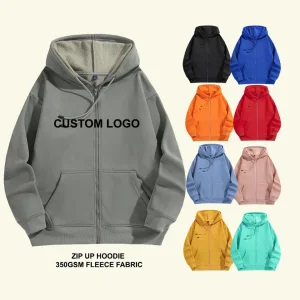
Discover our complementary apparel and custom streetwear collections engineered for high retail turnover and fashion-forward brands worldwide.

 JALSÉRA Fashion